Excavation can seem surprisingly expensive when the job appears to involve nothing more than digging and removing soil. A homeowner may budget for a foundation or basement and then receive an excavation quote worth thousands of dollars. The reason is that excavation involves much more than removing dirt.
Excavation is expensive because soil conditions, specialized equipment, skilled labor, site access, hauling, disposal, permits, and safety requirements all affect the final cost. Contractors also have to account for conditions below ground that may not be visible before work begins.
Understanding these factors makes it easier to compare excavation estimates and identify charges that may otherwise come as a surprise.
How Is Excavation Priced?
Excavation contractors commonly price work by the cubic yard, hour, or as a complete project.
Typical excavation pricing can range from about $40 to $250 per cubic yard, depending heavily on the material being removed and the difficulty of the work. Equipment and excavation specialists may charge roughly $40 to $180 or more per hour.
For residential projects, total excavation costs can range from around $1,500 to $10,000, while large foundation, basement, and site-development projects can reach $40,000 to $90,000 or more.
These figures are benchmarks rather than fixed prices. Local labor rates, equipment costs, disposal fees, and ground conditions can change the actual quote.
How Excavation Volume Is Calculated?
The basic excavation volume formula is:
Length × Width × Depth ÷ 27 = cubic yards
For example, a trench measuring 27 feet long, 3 feet wide, and 2 feet deep contains:
27 × 3 × 2 ÷ 27 = 6 cubic yards
However, the material does not occupy the same volume after excavation. Once soil is loosened, it can expand by roughly 10% to 50%, depending on the material. This is known as the swell factor.
That expansion matters because hauling and disposal are based on the volume of loose material rather than only the dimensions of the original hole.
1. Soil and Rock Conditions Can Dramatically Increase Costs
The material underground is one of the biggest factors determining excavation difficulty.
| Material | Approximate excavation cost |
|---|---|
| Sandy or loose soil | $40–$85 per cubic yard |
| Topsoil or loam | $50–$100 per cubic yard |
| Clay or compacted soil | $65–$150 per cubic yard |
| Rocky soil or hardpan | $100–$250 per cubic yard |
These ranges are illustrative because local pricing and project conditions vary.
Rock Requires Specialized Equipment
Ordinary excavator buckets may not be enough to remove solid rock or hardpan. Contractors may need hydraulic breakers, rock hammers, ripping attachments, or other specialized equipment.
A hydraulic hammer can add substantial equipment and operating costs, with some projects reaching approximately $2,000 per day for rock-breaking operations.
If blasting becomes necessary, engineering, permitting, safety controls, and specialized blasting services can increase the cost substantially.
This is why excavation contracts sometimes include a rock clause. Contractors cannot always determine exactly what is beneath the surface before digging, so unexpected rock may be treated as additional work.
Why Clay Can Be Expensive?
Clay presents a different problem. When wet, it can become heavy and sticky. When dry, it can become extremely hard and difficult to penetrate.
Clay can therefore slow excavation, increase equipment wear, and increase the amount of loose material that must eventually be transported.
Sandy Soil Has Its Own Problems
Sand may be easy for an excavator to penetrate, but loose soil can be unstable. Excavations may require sloping, benching, shoring, or trench protection depending on depth and site conditions.
The result is that a material that is easy to dig may still require additional safety measures.
Soil Testing Can Reduce Uncertainty
A soil investigation or testing program can identify conditions such as difficult material, groundwater, or contamination before major excavation begins.
Depending on the type and scope of testing, costs can reach several hundred or several thousand dollars. Although testing adds an upfront expense, identifying difficult conditions early can make project estimates more predictable.
2. Excavation Equipment and Skilled Labor Are Expensive
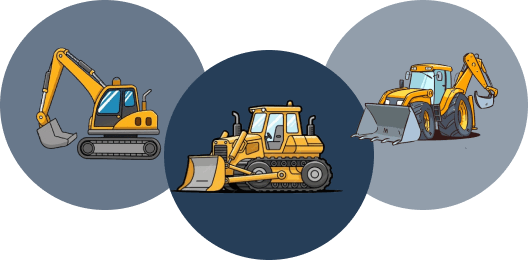
Excavation requires machinery that can cost tens or hundreds of thousands of dollars to purchase and maintain.
Common equipment includes:
- Mini excavators
- Standard excavators
- Backhoes
- Bulldozers
- Hydraulic breakers
- Skid steers
- Dump trucks
- Trenchers
Equipment with an operator may cost roughly $100 to $250 per hour, depending on the machine, location, and project requirements.
Approximate equipment examples include:
- Mini excavator: around $85 per hour
- Standard excavator: around $125 per hour
- Backhoe: around $95 per hour
Actual rates vary by market and whether fuel, transportation, and an operator are included.
Equipment Must Reach the Job Site
The contractor also has to transport machinery to and from the property.
This mobilization cost can range from several hundred dollars to several thousand dollars depending on equipment size and transportation distance.
For a small excavation project, mobilization can represent a significant percentage of the total bill because the contractor still has to move the same equipment even though the actual digging time is short.
Skilled Operators Add to the Cost
Operating an excavator is not simply a matter of moving a joystick. The operator must work around utilities, structures, slopes, unstable soil, and specified excavation dimensions.
Experienced operators also need to understand how equipment behaves under different ground conditions.
Labor is therefore built into either the hourly equipment rate or the contractor’s overall project price.
Difficult Ground Increases Equipment Wear
Rock, hardpan, and compacted clay can place substantially more stress on excavation equipment.
Hydraulic breakers, cutting edges, buckets, tracks, and hydraulic components can wear faster under demanding conditions. Contractors account for maintenance, repairs, fuel, and equipment depreciation when setting their rates.
3. Site Access Can Multiply Excavation Costs
A machine may be capable of digging quickly, but it cannot do that if it cannot physically reach the excavation area.
A property with a wide driveway and open working area is generally easier to excavate than a backyard surrounded by buildings, fences, landscaping, or narrow access points.
Restricted Access Requires Smaller Equipment
A large excavator may need to be replaced with a mini excavator, compact equipment, or even manual labor.
Manual excavation can cost many times more per cubic yard than machine excavation because considerably more labor is required.
This is particularly important for:
- Backyard excavations
- Basement projects
- Narrow side yards
- Foundation repairs
- Landscaping projects
- Utility trenches near existing structures
Slopes Increase Complexity
Excavation on sloped land can require additional grading, retaining structures, stabilization, drainage work, and specialized construction methods.
A hillside foundation may therefore cost considerably more than a comparable foundation on level ground.
Existing Structures and Utilities
Excavating near a house, garage, tree, retaining wall, or buried utility requires greater precision.
Contractors may have to slow down, use smaller equipment, hand-dig around utilities, or provide additional protection against damage.
A project that looks simple on paper can therefore become labor-intensive once actual site conditions are considered.
Groundwater Adds Another Cost
If excavation reaches the water table, the contractor may need to remove groundwater before work can continue.
Possible methods include sump pumping or well-point systems.
A basic sump-pump setup may add roughly $200, while well-point dewatering can cost $800 or more, depending on the project.
Water can also make soil unstable and interfere with excavation, foundation work, and backfilling.
4. Hauling and Disposal Can Be a Major Part of the Bill
Digging creates another problem: what happens to all the excavated material?
If the soil cannot remain on the property, it has to be loaded, transported, and disposed of somewhere else.
Excavated Soil Expands
Suppose a project removes 100 cubic yards of soil in the ground.
After excavation, that material may expand to approximately 125 to 150 cubic yards, depending on its composition.
That additional loose volume can mean more truckloads and higher transportation costs.
Dirt Hauling Costs Money
Dirt hauling and disposal can cost approximately $8 to $50 per cubic yard, depending on distance, access, material type, and disposal requirements.
A dump truck may also cost roughly $400 to $800 per day, depending on local rental and operating rates.
Disposal Is Not Always Simple
Clean soil may have relatively straightforward disposal options. Contaminated material, unsuitable fill, or certain types of rock can be much more difficult and expensive to dispose of.
Disposal facilities may charge tipping fees based on the material and its classification.
Keeping Suitable Soil on the Property Can Save Money
Not every excavated cubic yard needs to leave the site.
If suitable material can be reused for:
- Backfilling
- Grading
- Landscaping
- Raising low areas
- Other site improvements
the project may reduce hauling and disposal costs.
This is one reason balanced cut-and-fill planning can reduce overall site-development expenses.
5. Permits, Surveys, and Safety Requirements Add Cost
Excavation can involve regulatory and engineering requirements in addition to physical digging.
Excavation Permits
Depending on the jurisdiction and project, an excavation or related construction permit may be required.
Permit costs can range from approximately $50 to $400, although complex projects can cost more.
Land Surveys
A survey may be necessary to establish property boundaries, elevations, excavation locations, or construction benchmarks.
A basic survey can cost around $400 to $550, with more complex surveying costing more.
Soil and Environmental Testing
Projects may require testing for soil characteristics or contamination.
Depending on the testing scope, soil testing can cost $700 to $2,200, while individual environmental tests can add several hundred dollars.
Shoring and Trench Protection
Deep or unstable excavations require appropriate protection against collapse.
Depending on the excavation, contractors may use:
- Trench shields
- Shoring systems
- Sloping
- Benching
- Engineered support systems
These systems add equipment, engineering, setup, and labor costs.
Safety measures are not simply optional additions to the quote. They can be an essential part of performing excavation work safely and in compliance with applicable requirements.
6. Small Excavation Jobs Can Cost More Per Cubic Yard
One of the less obvious reasons excavation can seem expensive is the economy of scale.
A contractor may spend significant time transporting equipment, setting up the site, completing safety checks, and mobilizing labor even for a relatively small excavation.
For example, excavating 10 cubic yards does not necessarily cost one-tenth as much as excavating 100 cubic yards.
Large projects allow equipment and labor to operate continuously for longer periods, reducing the average cost per cubic yard.
However, large projects still produce much higher total bills because of the sheer amount of material being moved.
7. Depth Makes Excavation More Complicated
Excavation becomes more demanding as depth increases.
Deeper excavations may require:
- Additional shoring
- Trench protection
- Dewatering
- Larger equipment
- Longer excavation times
- More careful spoil placement
- Additional engineering
A shallow trench and a deep foundation excavation may contain similar soil, but the deeper project can require substantially more planning and safety measures.
What Does Excavation Usually Cost?
The total price depends on the project rather than simply the size of the hole.
Some commonly cited residential benchmarks include:
- Residential excavation: approximately $1,500–$10,000 for many projects
- Foundation excavation: around $500–$15,000 in some residential cost estimates
- Average foundation excavation: approximately $3,200
- Large basement or major excavation work: potentially $40,000–$90,000 or more
Utility trenching can also be priced by linear foot. For example, a 36-inch-deep by 6-inch-wide trench may fall around $9.66–$16.20 per linear foot in some cost databases, depending on soil and project conditions.
These numbers should be treated as reference points rather than guaranteed contractor prices.
Why Does Excavation Cost So Much?
The simplest answer is that you are paying for far more than the digging itself.
An excavation contractor’s price may include:
- Site preparation and mobilization
- Heavy equipment
- Skilled equipment operators
- Fuel and equipment maintenance
- Soil and rock removal
- Hauling and disposal
- Shoring and safety systems
- Dewatering
- Permits and surveys
- Risk associated with unknown underground conditions
The biggest uncertainty is often what cannot be seen before excavation begins.
A contractor can inspect the property, review available plans, and conduct testing, but underground conditions can still differ from expectations. Unexpected rock, groundwater, buried debris, unstable soil, or undocumented utilities can change the scope of work.
How to Reduce Excavation Costs?
You cannot control every underground condition, but you can reduce avoidable expenses.
Get the Site Investigated Before Digging
Soil testing, surveys, utility locating, and appropriate site investigations can reveal potential problems before heavy equipment arrives.
Ask What the Quote Includes
Before accepting an excavation estimate, ask whether it includes:
- Equipment
- Operator
- Mobilization
- Fuel
- Hauling
- Disposal
- Rock removal
- Dewatering
- Shoring
- Permits
- Restoration
A lower initial quote is not necessarily cheaper if several of these items are excluded.
Plan for Excavated Material
Determine whether suitable soil can be reused on the property. Reusing material for grading or backfill can reduce truckloads and disposal charges.
Compare Detailed Estimates
Ask multiple contractors to provide comparable scopes of work. Comparing only the final dollar amount can be misleading if each contractor has included different services.
Keep a Contingency for Unknown Conditions
Even a well-planned excavation can encounter unexpected ground conditions. A reasonable contingency can prevent one unforeseen issue from disrupting the entire construction budget.
Final Takeaway
Excavation is expensive because it combines heavy equipment, skilled labor, difficult ground conditions, site logistics, material hauling, disposal, safety requirements, and underground uncertainty.
The actual act of removing soil is only one part of the process. Rock may require specialized equipment, clay can slow production, restricted access can require smaller machines, groundwater can require dewatering, and excavated material may need to be transported off-site.
The best way to evaluate an excavation quote is therefore to look beyond the price per cubic yard. Check the soil conditions, excavation volume, equipment, access, hauling, disposal, permits, safety requirements, and exclusions.
Understanding these cost drivers makes excavation estimates easier to compare and helps reduce unexpected expenses once digging begins.

Ahmed Ijaz runs this construction rental directory with over 5 years of experience in SEO, content, and web optimization. Every page is built using real research, hands-on expertise, and carefully reviewed information to meet strong EEAT standards.