
An excavation contractor charges for more than simply digging soil. The final price can include excavation, equipment and operator time, loading, hauling, disposal, site conditions, dewatering, utility protection, permits, and other project-specific requirements. In 2026, residential excavation projects commonly fall around $1,081 to $3,799, with an average of about $2,020, although complex work can cost considerably more.
How Do Excavation Contractors Set Their Prices?
Contractors generally use one of three pricing methods: hourly rates, per-cubic-yard rates, or a flat project price. The method depends on the size of the excavation, how predictable the work is, and whether the contractor is also handling hauling, disposal, grading, or other services.
Per Cubic Yard
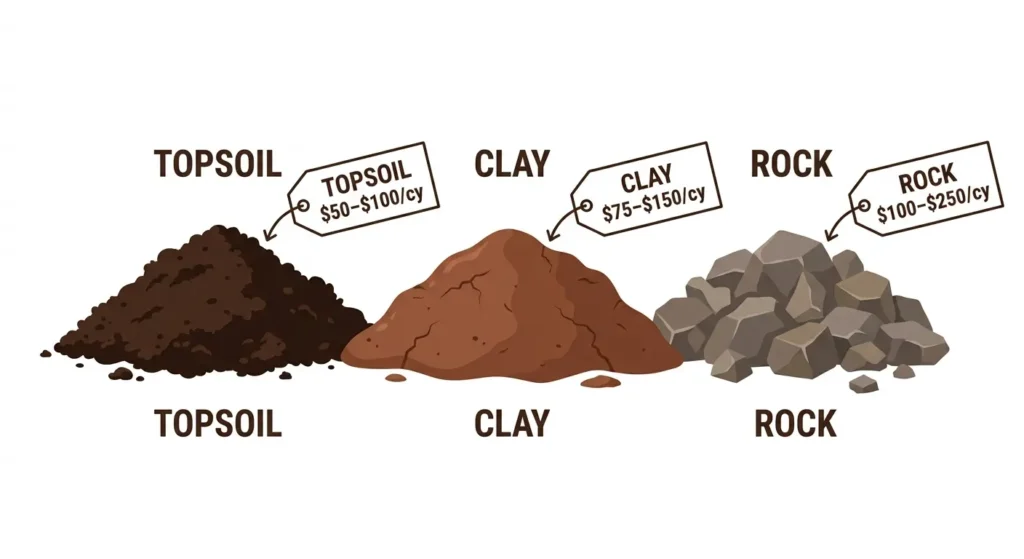
Per-cubic-yard pricing is useful when the contractor can accurately estimate the amount of material being removed. It is common for foundation excavation, basement digs, pools, and larger earthwork projects.
Common soil excavation may cost roughly $5–$25 per cubic yard, while difficult materials such as rock can reach $100–$250 per cubic yard.
Contractors normally calculate excavation from the soil’s in-ground volume. Once removed, soil expands, so the material requiring transportation can be about 20%–40% greater than its original bank volume.
Hourly Excavation Rates
Hourly billing is often used for smaller projects or work where the amount of excavation cannot be predicted accurately. Typical excavation labor rates are about $50–$150 per hour, depending on the machine, operator, location, and job conditions.
Equipment size can substantially change the rate. A mini excavator with an operator may cost around $240–$305 per hour in some markets, while larger equipment generally costs more.
Hourly pricing works particularly well for limited grading, topsoil removal, trenching, and jobs with changing excavation requirements.
Flat Project Pricing
For a defined project, a contractor may provide one total price covering the agreed excavation scope. This approach can include labor, equipment, excavation, loading, and other specified services.
A flat price makes budgeting easier, but the contract should clearly identify exclusions. Unexpected rock, groundwater, additional excavation, or changes to the scope may result in additional charges.
What Does the Excavation Price Actually Include?
The excavation charge is usually made up of several cost components rather than one digging rate.
Soil Excavation
The material being excavated has a direct effect on production and equipment requirements. Loose fill and topsoil are generally easier to remove than compacted clay, while rock may require specialized attachments.
Typical excavation rates can vary approximately as follows:
- Topsoil or loose fill: $50–$100 per cubic yard
- Sand: $40–$80 per cubic yard
- Clay or compacted soil: $75–$150 per cubic yard
- Rock: $100–$250 per cubic yard
These figures are project-dependent rather than universal market rates.
Loading, Hauling, and Disposal
Removing excavated material from the property creates costs beyond digging. The contractor may need loaders, dump trucks, drivers, transportation time, and a disposal site.
Hauling can add roughly $15–$50 per cubic yard, depending largely on distance and logistics. Disposal charges may add another $40–$80 per ton when the material requires paid disposal.
For large excavations, this can become a major part of the project price. A 600-cubic-yard excavation, for example, can generate substantially more transportation and disposal expense when the property has no room for stockpiling.
Rock Excavation
Rock is usually priced separately because ordinary excavation equipment may not be sufficient. Softer rock can sometimes be ripped with a large excavator, while hard rock may require hydraulic breakers, drilling, or blasting.
Hard-rock excavation can reach approximately $150–$200 per cubic yard before additional requirements such as blasting protection, monitoring, or specialized insurance are considered.
A contract should specify the price or procedure for unexpected rock rather than leaving the cost open-ended.
What Makes an Excavation Contractor’s Charge Increase?
Site Access
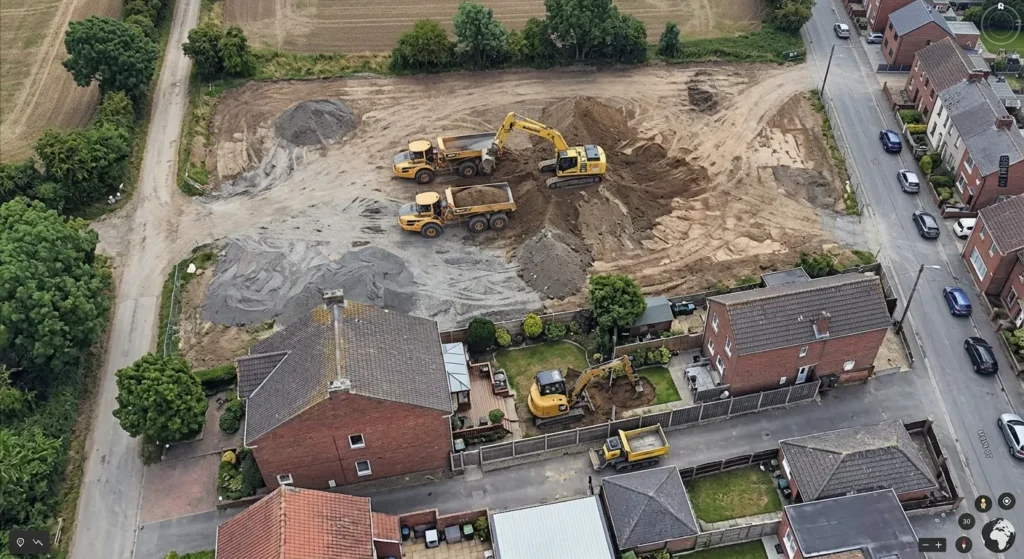
Equipment productivity depends heavily on how easily machines and trucks can reach the excavation area.
A large, open site may allow an excavator and dump trucks to work continuously. A confined backyard may require smaller equipment, additional handling, and more labor. In particularly restricted locations, equipment may even need to be lifted over an existing structure, potentially adding $2,500–$5,000.
Groundwater and Dewatering
Excavation below the water table can require pumping and additional site management. A basic 3-inch trash pump may cost approximately $150–$250 per week, while larger residential dewatering systems can reach $5,000–$25,000 depending on the conditions and duration.
Dewatering is especially important for deep foundations, basements, and excavations in areas with a high water table.
Underground Utilities
Utility locating helps prevent damage to buried infrastructure, but public utility markings may not identify every private line on a property.
Private utility locating can cost around $300–$750. Excavation near marked utilities may also require slower, more controlled digging or hand excavation, increasing labor costs.
Permits and Site Investigation
Some excavation projects require permits because they alter grades, remove substantial soil, affect drainage, or involve regulated work.
A geotechnical investigation may cost approximately $500–$2,000 and can provide information about soil, groundwater, and potential rock before excavation begins. Although this is an additional upfront expense, it can make the excavation scope more predictable.
Overtime and Restricted Working Hours
Projects that must be completed outside normal working hours can carry premium labor or equipment rates. Night, Sunday, and holiday work may cost substantially more than standard weekday excavation.
This is particularly relevant for commercial and municipal projects where daytime construction may be restricted.
How Does Soil Volume Affect the Excavation Bill?
One important distinction is the difference between bank volume and loose volume.
Bank volume represents soil in its natural, undisturbed state. Excavated material expands after it is removed because the soil structure is broken apart. This is known as the swell factor.
For example, 100 cubic yards of bank soil may become approximately 120–140 cubic yards of loose material after excavation. The digging charge may be based on the original volume, while trucks and disposal facilities must accommodate the expanded volume.
Understanding this difference prevents underestimating hauling and disposal costs.
What Is Included in an Excavation Contractor’s Quote?
A professional quote should identify the major costs rather than simply provide one unexplained total. Depending on the project, it may include:
Direct costs: equipment, fuel, operators, laborers, loading, and required materials.
Overhead: insurance, administration, equipment maintenance, office expenses, and other business costs.
Project-specific costs: hauling, disposal, dewatering, utility locating, permits, traffic control, or specialized excavation.
Profit: the contractor adds a margin to cover business risk and provide a return on the project. A 15%–30% margin may occur depending on competition, complexity, and risk, but actual contractor pricing varies.
A quote should also state what is not included, such as unexpected rock, contaminated soil, additional hauling, utility relocation, or work outside the agreed excavation limits.
Frequently Asked Questions
Do excavation contractors charge by the hour or cubic yard?
They use both methods. Hourly excavation rates commonly fall around $50–$150 per hour, while common earth may be priced around $5–$25 per cubic yard. Rock excavation can reach $100–$250 per cubic yard because it requires more specialized equipment and work.
What can make an excavation quote much more expensive?
The largest cost increases typically come from rock, difficult site access, groundwater, off-site disposal, underground utility conflicts, and changes to the original excavation scope.
How can I reduce excavation costs?
Get the site investigated before work begins, confirm equipment access, establish where excavated soil will go, reuse suitable material on-site when practical, and specify how unexpected rock or groundwater will be priced in the contract.
Conclusion
An excavation contractor charges for the work required to safely remove and manage material, not simply for operating an excavator. The final price depends on the pricing method, excavation volume, soil or rock conditions, equipment requirements, access, groundwater, hauling, disposal, utilities, permits, and project risk.
Before accepting a quote, compare the scope, unit rates, included services, disposal assumptions, and additional-charge provisions rather than comparing only the final dollar amount. This makes it easier to understand what the contractor is actually charging for and identify potential costs before excavation begins.

Ahmed Ijaz runs this construction rental directory with over 5 years of experience in SEO, content, and web optimization. Every page is built using real research, hands-on expertise, and carefully reviewed information to meet strong EEAT standards.