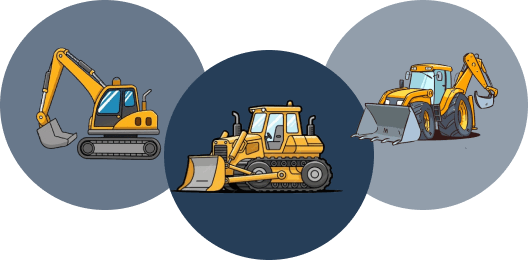
Excavation costs typically range from $85 to $300+ per hour, depending on equipment size, labor, soil conditions, site access, project complexity, and location. Small residential excavation using a mini excavator may cost around $85–$150 per hour, while large commercial or specialty excavation can exceed $300–$500 per hour.
How Much Does Excavation Cost?Understanding excavation hourly rates helps homeowners, contractors, and developers create accurate budgets and avoid unexpected expenses.
Average Excavation Equipment Cost Per Hour
| Equipment Type | Typical Hourly Cost |
|---|---|
| Mini Excavator (1–3 Ton) | $85–$150 |
| Mini Excavator (3–10 Ton) | $100–$175 |
| Mid-Size Excavator (10–40 Ton) | $120–$200 |
| Large Excavator (40+ Ton) | $200–$300+ |
| Hydro Excavation | $200–$500 |
| Skid Steer/Bobcat | $95–$160 |
| Backhoe Loader | $50–$150 |
These prices generally include an operator. Equipment-only rental rates are usually lower.
What Is Included in an Excavation Hourly Rate?
An excavation contractor’s hourly rate typically includes:
- Excavator and attachments
- Licensed operator
- Fuel and lubricants
- Equipment maintenance
- Insurance and overhead
Additional charges may include:
- Utility locating
- Mobilization/transport
- Soil hauling
- Disposal fees
- Rock excavation
- Permits
Equipment Size Is the Biggest Cost Factor
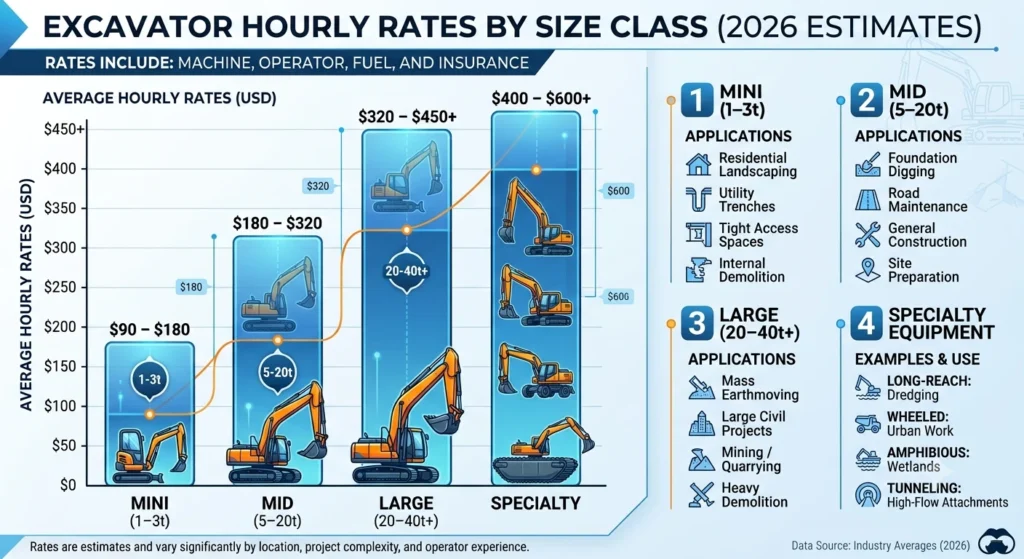
Mini Excavators — $85–$150/hour
Good for residential landscaping, trenching, footings, utilities, and other smaller jobs.
Mid-Size Excavators — $120–$200/hour
Common for foundations, commercial site preparation, drainage, utilities, and road work.
Large Excavators — $200–$300+/hour
Used for large-scale earthmoving, commercial development, highway work, and heavy excavation.ignificantly more material, reducing the overall project duration.
Specialty Excavation Equipment
Specialty excavation, such as hydro excavation, can cost significantly more than conventional digging. Hydro excavation commonly costs $200–$500 per hour because it uses high-pressure water and vacuum equipment to safely remove soil, particularly around underground utilities.
How Are Excavation Hourly Rates Calculated?
Contractors generally determine hourly rates by considering equipment ownership costs, operating expenses, labor, transportation, insurance, overhead, and profit.
Fixed Costs
These expenses exist whether the machine is working or not.
They include:
- Equipment depreciation
- Financing interest
- Insurance
- Registration
- Taxes
- Storage
- Licensing
Operating Costs
Variable costs increase every hour the equipment operates.
Operating expenses include:
- Diesel fuel
- Hydraulic oil
- Lubricants
- Filters
- Routine maintenance
- Repairs
- Undercarriage wear
- Bucket teeth replacement
Labor Costs
Operator costs vary by experience, location, union requirements, and project complexity. Contractor pricing may also include payroll taxes, insurance, benefits, and training.
- Experience
- Certifications
- Union requirements
- Region
- Project complexity
Labor costs also include benefits, insurance, payroll taxes, and training.
Soil Conditions Greatly Affect Hourly Costs
| Material | Typical Impact on Cost |
|---|---|
| Common soil | Lower |
| Clay | Moderate |
| Gravel/till | Higher |
| Weathered rock | High |
| Solid rock | Highest |
Excavators are primarily used for digging and material removal, while bulldozers are better suited for pushing, grading, clearing, and moving large amounts of soil. If your project requires grading or heavy pushing, see our guide to bulldozer rental costs.
Job Efficiency Impacts Total Cost
Even with the same excavator, project costs vary because of productivity.
Factors affecting efficiency include:
- Weather conditions
- Operator experience
- Equipment condition
- Site layout
- Traffic around the machine
- Material haul distance
- Underground utilities
Higher efficiency means fewer billable hours.
Excavation Cost Per Cubic Yard
Some contractors estimate excavation costs based on production rather than hourly rates.
Basic formula:
Cost Per Cubic Yard = Hourly Excavation Cost ÷ Production Rate
For example, if the total excavation cost is $180 per hour and the equipment produces 60 cubic yards per hour:
$180 ÷ 60 = $3 per cubic yard
Actual production varies based on equipment size, soil conditions, digging depth, operator efficiency, and site layout.
Site Access Can Increase Costs
Limited access can increase excavation costs because contractors may need smaller equipment, additional repositioning, more labor, or extra working time.
Regional Differences in Excavation Rates
Excavation pricing varies significantly by location.
Major influences include:
- Local labor costs
- Fuel prices
- Equipment availability
- Contractor demand
- Disposal fees
- Market competition
Urban markets typically have higher hourly rates than rural areas.
Sample Excavation Cost Examples
Residential Pool Excavation
Mini excavator × 8 hours × $140/hour:
$1,120
Residential Foundation
Mid-size excavator × 12 hours × $170/hour:
$2,040
Commercial Site Preparation
Large excavator × 24 hours × $280/hour:
$6,720
These examples exclude hauling, disposal, permits, and material costs.
Hidden Excavation Costs
Many first-time property owners overlook additional expenses.
Common hidden charges include:
- Equipment mobilization
- Demobilization
- Soil hauling
- Dumping and disposal fees
- Utility locating
- Permit fees
- Rock breaking
- Backfilling
- Compaction
- Erosion control
These items can add thousands of dollars to large projects.
Excavation projects can generate significant amounts of soil and construction debris. Choosing the right dumpster size can help manage disposal efficiently. See our guide to what size dumpster you need for help selecting the right container.
How to Get an Accurate Excavation Quote?
Before hiring an excavation contractor, ask for:
- Detailed written estimate
- Hourly equipment rates
- Included services
- Minimum billing hours
- Hauling charges
- Disposal fees
- Fuel surcharges
- Permit responsibilities
- Timeline estimate
- Insurance documentation
- Estimated number of working hours
Comparing multiple itemized quotes provides the most accurate picture of total project costs.
Tips to Reduce Excavation Costs
You can lower excavation expenses by:
- Scheduling during dry weather
- Clearly defining project scope
- Choosing the right equipment size
- Combining excavation tasks
- Hiring experienced operators
- Comparing multiple contractor quotes
- Ask whether hourly or fixed-price billing is more appropriate for the project.
The cheapest hourly rate isn’t always the best value if productivity is lower.
Quick Reference Table
| Factor | Typical Cost Impact |
|---|---|
| Smaller Equipment | Lower hourly rate |
| Larger Equipment | Higher hourly rate |
| Soft Soil | Lower |
| Rock Excavation | Much higher |
| Experienced Operator | Can reduce total labor hours |
| Limited Access | Higher |
| Urban Location | Often higher |
| Long Hauling Distance | Higher |
Frequently Asked Questions
How much does an excavator cost per hour?
Most excavators used for excavation work cost approximately $85–$300+ per hour, depending on machine size, location, operator, and project requirements. Specialty excavation, such as hydro excavation, can cost $200–$500 per hour.
What is the average hourly rate for excavation?
Residential excavation typically averages $100–$175 per hour, while commercial work often ranges from $150–$300+ per hour.
Does excavation pricing include labor?
Most contractor quotes include both equipment and a trained operator. Equipment-only rentals are generally less expensive but require a qualified operator.
Why does rock excavation cost more?
Rock excavation is slower and often requires hydraulic breakers, ripping attachments, or blasting, increasing both labor time and equipment wear.
Is hourly or fixed-price excavation better?
Hourly pricing works well when project conditions are uncertain. Fixed-price contracts are usually better for clearly defined excavation jobs with predictable scope.
Conclusion
Excavation costs per hour generally range from $85 to over $300, with the final price depending on equipment size, labor, soil conditions, site access, and regional market rates. While hourly rates provide a useful starting point, the true cost of excavation also includes mobilization, hauling, disposal, permits, and project efficiency.
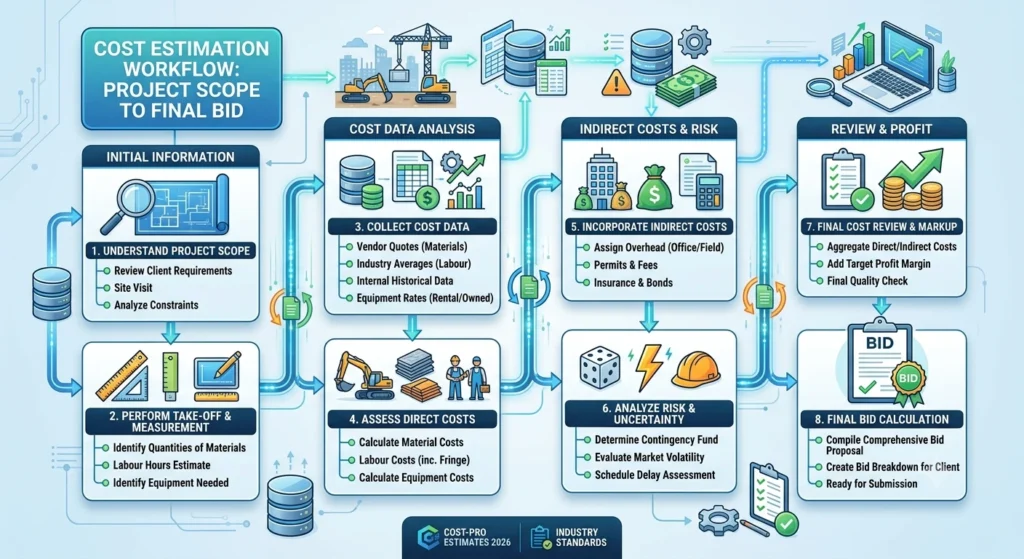
To stay within budget, request detailed written estimates, compare multiple contractors, and consider total project value rather than focusing solely on the lowest hourly rate. Choosing the right equipment and an experienced operator can often reduce overall costs by completing the work faster and more efficiently.

Ahmed Ijaz runs this construction rental directory with over 5 years of experience in SEO, content, and web optimization. Every page is built using real research, hands-on expertise, and carefully reviewed information to meet strong EEAT standards.