Excavation is one of the first and most important steps in any construction project. Whether you’re building a home, installing a pool, or preparing land for development, understanding excavation costs can help you budget accurately and avoid unexpected expenses.
The average excavation cost in 2026 is around $3,200, but projects can range anywhere from $500 to over $15,000 depending on the size, soil conditions, and project complexity.
Excavation costs can increase significantly when the initial estimate does not account for equipment, labor, hauling, permits, rock removal, or difficult site conditions.
This guide explains every major pricing factor, average excavation rates, project-specific costs, and practical ways to reduce your total excavation bill.
Average Excavation Costs in 2026
| Project | Typical Cost |
|---|---|
| Small excavation | $500–$2,000 |
| Average residential excavation | $1,500–$5,000 |
| Large residential projects | $5,000–$15,000+ |
Actual excavation costs vary by soil conditions, excavation depth, project size, equipment, site access, labor rates, hauling, and disposal requirements.
What Affects Excavation Costs?
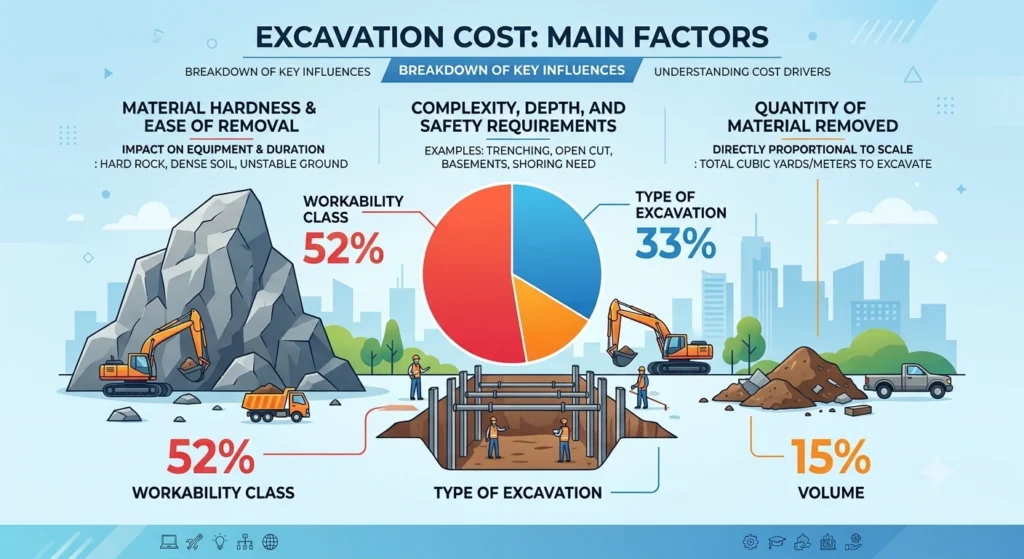
Several factors determine excavation pricing, but not all have equal impact.
1. Soil and Rock Conditions (Biggest Cost Factor)
1. Soil and Rock Conditions
Soil conditions are one of the biggest factors affecting excavation costs. Loose soil and sand are generally easier to excavate, while dense clay, gravel, hardpan, rock, and bedrock require more time and specialized equipment.
Rock excavation may require:
- Hydraulic breakers
- Rock saws
- Rippers
- Specialized drilling equipment
The harder the material, the longer excavation takes and the higher the equipment, labor, and disposal costs can be. to over $1,200, depending on the amount and hardness.
2. Type of Excavation
The excavation method affects equipment requirements, labor time, safety measures, and overall project cost.
Common excavation types include:
Open Excavation
Standard digging for foundations, driveways, or landscaping.
Usually the least expensive option.
Trench Excavation
Used for:
- Utility lines
- Water pipes
- Sewer systems
- Electrical conduit
Safety requirements may increase costs.
Trench Excavation and Safety
Utility trenches may require trench boxes, shoring, sloping, or other protective systems depending on excavation depth and site conditions. These requirements can increase equipment and labor costs.
3. Excavation Volume
The amount of material being removed affects equipment time, labor, hauling, and disposal requirements. Larger projects may have a higher total cost but can sometimes have a lower cost per cubic yard because equipment is used more efficiently.
For accurate pricing, contractors may calculate the excavation volume in cubic yards:
Excavation Volume = Length × Width × Depth
The final price should also account for hauling, disposal, grading, and other required site work.
4. Fuel, Labor, and Location
Diesel fuel prices directly affect excavation costs because heavy equipment consumes large amounts of fuel.
Labor rates also vary by region.
Projects in the Northeast and Pacific Coast often cost 20–30% more than the national average due to higher labor and operating expenses.
Excavation Cost by Pricing Method
Contractors generally price excavation by the hour, cubic yard, or as a flat project price.
Hourly Excavation Rates
Typical excavation rates are often around $100–$300 per hour, depending on the equipment, operator, location, and project conditions.
Hourly pricing is common for:
- Small residential projects
- Repair work
- Jobs with uncertain soil conditions
- Projects where excavation volume is difficult to estimate
Cost Per Cubic Yard
Contractors may charge by cubic yard when the excavation volume can be estimated accurately. The rate depends on soil type, excavation depth, equipment, labor, hauling, and disposal.
Always ask whether the quoted rate includes loading, trucking, disposal, and grading.
Flat-Rate Pricing
Flat-rate pricing is common for clearly defined projects such as:
- House foundations
- Basement excavation
- Site preparation
- Large residential excavation
A flat price can make budgeting easier because the contractor provides one total project estimate, although unexpected rock, groundwater, or structural conditions may result in additional charges.
Excavation Equipment Costs
The equipment required for excavation depends on the size of the project, digging depth, soil conditions, and site access.
Common excavation equipment includes:
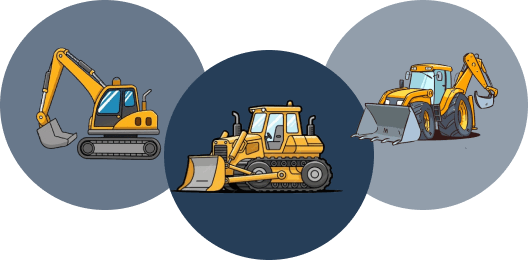
- Mini excavators for small residential projects
- Standard excavators for foundations and larger excavation
- Backhoes for digging and material handling
- Skid steers for grading and material movement
- Bulldozers for larger site preparation projects
Larger machines generally provide higher production but may cost more to rent and operate. For small or confined sites, a mini excavator may be more economical because it requires less space and can access areas that larger equipment cannot.
Excavation Costs by Project Type
| Excavation Project | Typical Cost |
|---|---|
| New home excavation | $1,500–$15,000 |
| New basement excavation | $10,000–$30,000 |
| Existing basement excavation | $50,000–$150,000+ |
| Crawl space conversion | $30,000–$70,000 |
| Site preparation | $1,300–$5,600 |
| Utility trenching | Charged per linear foot |
| Pool excavation | Varies widely |
Basement Excavation Costs
Basement excavation is one of the most expensive residential excavation projects.
New Construction
Building a basement before construction starts generally costs:
$10,000–$30,000
Open access allows equipment to work efficiently.
Excavating Under an Existing House
Excavating beneath an existing house can cost roughly $50,000–$200,000+ because the project may require underpinning, structural reinforcement, limited-access equipment, engineering, and careful excavation around the existing foundation.
Site Preparation Costs
Before construction begins, land often requires preparation.
Average cost:
$1,300–$5,600
Typical expenses include:
| Service | Average Cost |
|---|---|
| Land clearing | $500–$2,000 |
| Grading | $1,000–$3,000 |
| Soil testing | $300–$1,200 |
Large, heavily wooded, sloped, or difficult-to-access lots can cost $10,000 or more to prepare, depending on clearing, grading, drainage, soil work, and other site requirements.
Hauling and Soil Disposal
Excavation costs may increase substantially when excavated soil cannot remain onsite. You may need to pay separately for loading, trucking, disposal, and landfill or dumping fees.
Before accepting a quote, ask:
Can suitable soil be reused onsite?
How many truckloads are included?
Is trucking included in the excavation price?
Who pays disposal fees?
How to Get an Accurate Excavation Quote?
Before hiring a contractor:
- Request three itemized quotes
- Confirm excavation depth
- Verify hauling costs
- Ask if permits are included
- Confirm disposal fees
- Discuss possible rock removal
- Review contingency allowances
Comparing detailed estimates helps prevent unexpected change orders later.
Reuse Excavated Material
If the excavated soil or rock is suitable, some material may be reused onsite for backfilling, grading, or landscaping. Reusing suitable material can reduce hauling, disposal, and imported fill costs.
How to Calculate Excavation Costs?
A basic excavation estimate can be calculated using:
Total Excavation Cost = Equipment + Labor + Hauling + Disposal + Permits + Additional Site Work
For volume-based excavation:
Excavation Volume = Length × Width × Depth
For example, a 20 ft × 30 ft area excavated to a depth of 4 ft would contain:
20 × 30 × 4 = 2,400 cubic feet
Divide by 27 to convert cubic feet to cubic yards:
2,400 ÷ 27 = 88.9 cubic yards
The contractor can then estimate the excavation, hauling, and disposal costs based on the site’s conditions and equipment requirements.
Frequently Asked Questions
How much does excavation cost per cubic yard?
Basic excavation generally costs $75–$150 per cubic yard, although difficult ground conditions and rock removal increase prices.
What is the average excavation cost?
The average residential excavation project costs approximately $3,200, with most projects falling between $500 and $15,000.
Why is rock excavation so expensive?
Rock requires specialized equipment such as hydraulic breakers, rock saws, or controlled blasting, increasing labor, equipment wear, and disposal costs.
How much does site preparation cost?
Most residential site preparation projects cost $1,300–$5,600, while complex lots can exceed $50,000.
Should I get multiple excavation quotes?
Yes. Obtain at least three itemized estimates so you can compare labor, equipment, hauling, permits, and contingency costs.
Final Thoughts
Excavation costs depend on soil conditions, project size, excavation depth, equipment, site access, labor, hauling, disposal, and local rates. Small residential excavation may cost a few hundred dollars, while basement excavation, rock removal, or work around an existing foundation can cost tens of thousands of dollars.
Before hiring a contractor, get at least three itemized estimates and confirm that each quote clearly covers equipment, labor, hauling, disposal, permits, and potential additional charges. Comparing the complete scope of each estimate is the best way to avoid unexpected excavation costs.

Ahmed Ijaz runs this construction rental directory with over 5 years of experience in SEO, content, and web optimization. Every page is built using real research, hands-on expertise, and carefully reviewed information to meet strong EEAT standards.