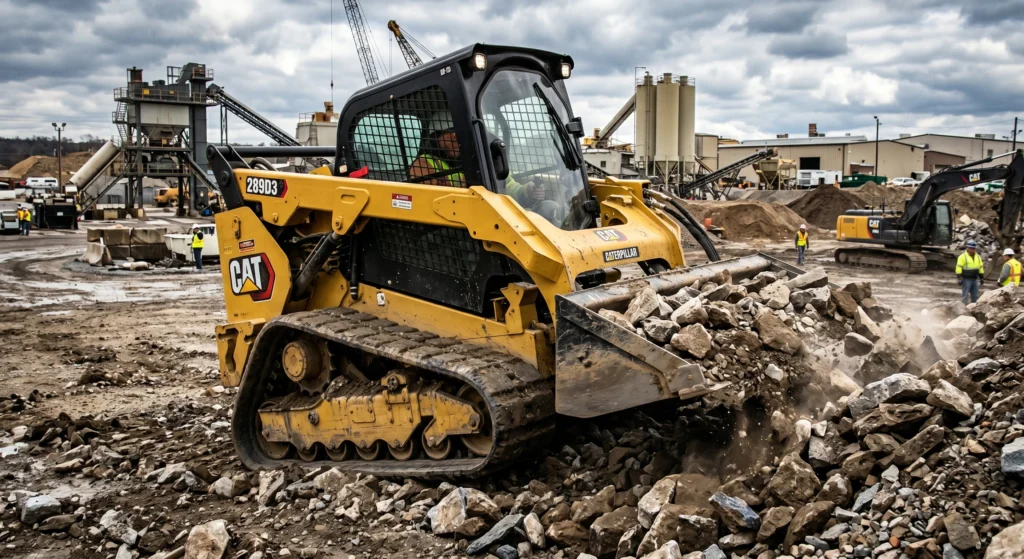
Most compact track loaders (CTLs) weigh between 6,000 and 14,000 lbs (2,722–6,350 kg). The exact weight varies based on the machine’s frame size, horsepower, undercarriage design, and any attachments installed.
In this guide, you’ll learn the average compact track loader weight by size and brand, how attachments affect total machine weight, and why operating weight matters for towing, transport, ground pressure, and rental costs.
1. What Is “Compact Track Loader Weight”?
| Weight Type | Definition | Example |
|---|---|---|
| Dry Weight | Machine weight without fluids, fuel, operator, or attachments | A CTL fresh from the factory before being fueled |
| Operating Weight | Machine with full fluids, standard bucket, and operator (175 lbs) | Typical working condition used by manufacturers |
| Shipping Weight | Machine prepared for transport, including crate or packaging, but without operator | Weight used for freight and shipping calculations |
Why Operating Weight Matters Most?
For most owners, operators, and rental customers, operating weight is the most important specification because it reflects the machine’s real-world working condition.
2. Average Weight by Frame Size
Compact track loader weight varies significantly based on machine size and horsepower class.
| Frame Class | Example Model | Operating Weight (lbs) |
|---|---|---|
| Small frame (< 50 hp) | Bobcat MT55 | 2,700–3,500 |
| Compact (60–70 hp) | Kubota SVL65-2 | 7,500–8,500 |
| Mid-size (70–80 hp) | Cat 259D3 | 8,500–10,500 |
| Large frame (90+ hp) | Deere 333G | 11,000–14,000 |
As a general rule, larger frame size equals more machine weight, which typically results in a higher Rated Operating Capacity (ROC). Heavier machines often provide greater lifting performance, improved stability, and increased breakout force.
Typical CTL Weight Ranges
- Small-frame CTLs: 3,000–6,000 lbs
- Medium-frame CTLs: 7,000–10,000 lbs
- Large-frame CTLs: 10,000–14,000 lbs
3. How Attachments Change Total Weight?
Attachment weight can significantly increase total machine weight and affect towing capacity, trailer selection, and transport costs.
Common Attachment Weights
| Attachment | Added Weight |
|---|---|
| Standard bucket (72″) | +400–600 lbs |
| Auger drive + bit | +300–450 lbs |
| Grapple | +500–700 lbs |
| Pallet forks | +200–300 lbs |
For example, a 10,000 lb CTL with a grapple can exceed 10,600 lbs, making trailer weight ratings and towing capacity critical considerations.
Why Attachment Weight Matters?
Additional attachment weight impacts:
- Trailer GVWR requirements
- Truck towing capacity
- Fuel consumption
- Ground pressure
- Transport costs
Always include both machine weight and attachment weight when calculating total hauling loads.
4. Weight by Brand (Bobcat, Cat, Kubota, Deere, Takeuchi)
Below are operating weight examples from popular compact track loader models.
- Bobcat T76: approximately 9,500 lbs
- Cat 289D3: approximately 9,800 lbs
- Kubota SVL97-2: approximately 11,000 lbs
- Deere 333G: approximately 12,200 lbs
- Takeuchi TL12V2: approximately 10,800 lbs
Note: Always check manufacturer specifications because operating weight can vary by model year, cab configuration, options, and installed attachments.
Popular Searches
Many buyers specifically research:
- Bobcat track loader weight
- Kubota SVL weight
- Cat track loader specs
- CTL weight by model
- Compact track loader specifications
5. Why Weight Matters?
Compact track loader weight affects far more than transportation.
1. Trailering & CDL Rules
Many towing regulations are based on total combined vehicle and trailer weight. In some states, transporting equipment exceeding 10,000 lbs may trigger additional licensing or commercial vehicle requirements.
Always verify local CDL regulations before transporting heavy equipment.
2. Ground Pressure
One advantage of CTLs compared to wheeled machines is their relatively low ground pressure.
Typical compact track loaders exert approximately:
- 4–6 psi ground pressure
However, heavier CTLs can still create deeper ruts in soft soil, wet grass, or muddy job sites.
3. Transport Costs
Equipment hauling companies typically charge based on:
- Total weight
- Distance traveled
- Trailer type required
- Oversize load requirements
Heavier machines generally cost more per mile to transport.
4. Rental Rates
Rental pricing often increases with machine size.
Generally:
- Lighter CTLs cost less per day
- Mid-size machines occupy the middle pricing range
- Large-frame CTLs command premium rental rates due to higher lifting capacity and horsepower
6. How to Find the Exact Weight for Your CTL?
If you need the exact operating weight of your machine, follow these steps:
Step 1: Check the Operator’s Manual
Locate the specification section and find the listed Operating Weight.
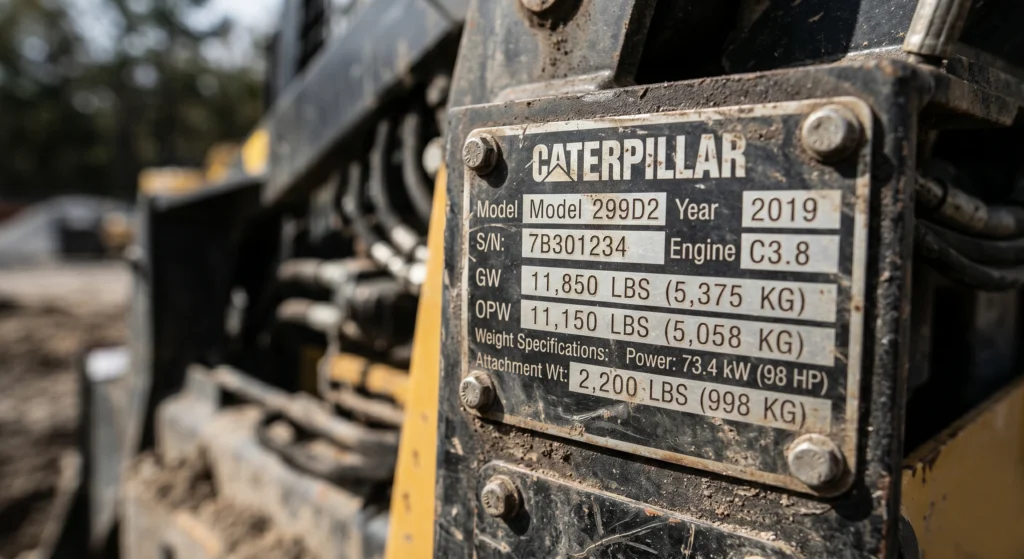
Step 2: Inspect the Manufacturer’s Plate
Most CTLs display weight information on the machine identification plate, often mounted near the ROPS frame.
Step 3: Use a Certified Truck Scale
If modifications or aftermarket attachments have been added, weigh the machine on a certified truck scale.
Step 4: Adjust for Attachments
If the machine is weighed with a bucket or attachment installed, subtract the attachment weight to determine the base machine weight.
7. Frequently Asked Questions
Does a compact track loader weigh more than a skid steer?
Yes. Compact track loaders typically weigh 500–1,000 lbs more than comparable skid steers because rubber tracks and the undercarriage add significant weight compared to wheeled systems.
What’s the lightest compact track loader?
The Vermeer CTX100 is among the lightest compact track loaders, with an operating weight of approximately 3,800 lbs.
Can I tow a CTL with a ¾-ton truck?
Generally, only smaller CTLs weighing less than 7,000 lbs, plus trailer weight, are suitable for most ¾-ton trucks. Mid-size and large-frame CTLs often require a 1-ton dually truck and appropriately rated trailer.
Compact track loader weight depends primarily on machine size, horsepower, undercarriage design, and attachment configuration.
Quick Weight Summary
| CTL Size | Typical Weight Range |
|---|---|
| Small | 3,000–6,000 lbs |
| Medium | 7,000–10,000 lbs |
| Large | 10,000–14,000 lbs |
Understanding operating weight, dry weight, attachment weight, ground pressure, GVWR requirements, towing capacity, and trailer weight ratings helps ensure safe and efficient equipment transport.

Ahmed Ijaz runs this construction rental directory with over 5 years of experience in SEO, content, and web optimization. Every page is built using real research, hands-on expertise, and carefully reviewed information to meet strong EEAT standards.