Choosing the wrong crane can lead to costly delays, safety hazards, equipment damage, and project overruns. In modern construction, cranes are among the most critical pieces of equipment, responsible for lifting, transporting, and positioning heavy materials with precision.
From towering skyscrapers and bridges to warehouses and offshore platforms, different projects require different lifting solutions. Understanding the various types of cranes helps contractors, engineers, project managers, and equipment operators select the right machine for the job.
In this guide, you’ll learn about the most common crane types used in construction, how they work, where they excel, and how to choose the best crane for your project.
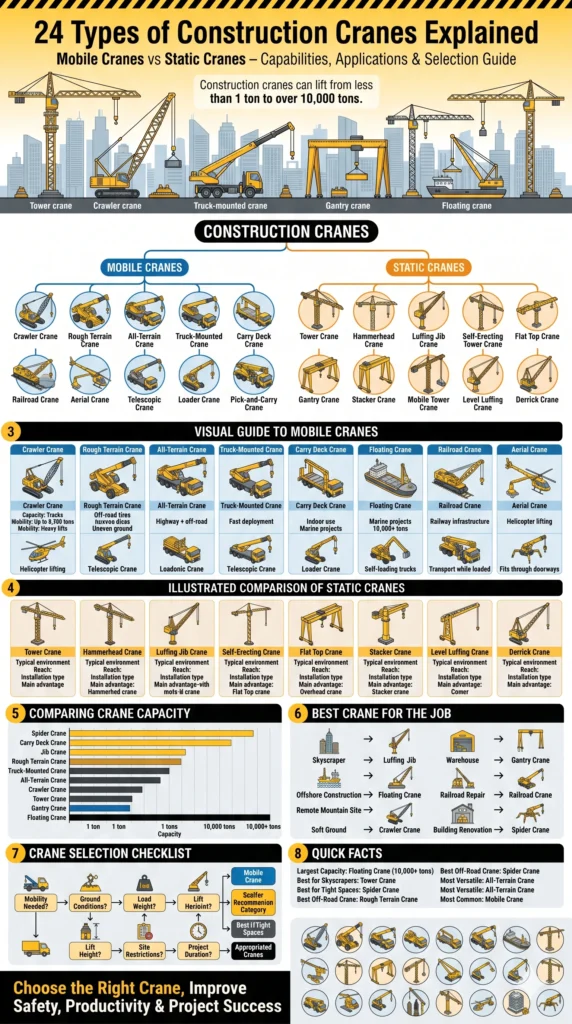
Static Cranes vs. Mobile Cranes
All construction cranes generally fall into two primary categories:
Mobile Cranes
Mobile cranes are designed to travel around a jobsite or between project locations. They are typically self-powered, quick to deploy, and highly versatile.
Key characteristics:
- Can move between locations
- Faster setup times
- Available with wheels or tracks
- Suitable for short-term and changing jobsite requirements
Static Cranes
Static cranes remain fixed in one location and move loads along a predetermined path. They are often attached to foundations, buildings, or permanent structures.
Key characteristics:
- Long-term installations
- Greater height and reach capabilities
- Ideal for repetitive lifting operations
- Common in high-rise construction and industrial facilities
Quick Comparison Table – Types of Cranes
| Crane Type | Category | Mobility | Capacity Range | Best Application |
|---|---|---|---|---|
| Crawler Crane | Mobile | Tracks | Up to 3,500 tons | Heavy lifting |
| Rough Terrain Crane | Mobile | Off-road tires | 25–110 tons | Uneven ground |
| All-Terrain Crane | Mobile | Multi-axle wheels | Up to 1,000+ tons | Mixed terrain |
| Truck-Mounted Crane | Mobile | Highway legal | 10–1,300 tons | Fast deployment |
| Carry Deck Crane | Mobile | Four wheels | 8–18 tons | Indoor work |
| Floating Crane | Mobile | Marine vessel | 10,000+ tons | Offshore construction |
| Tower Crane | Static | Fixed | High | Skyscrapers |
| Overhead Crane | Static | Runway rails | 0.25–400 tons | Warehouses |
| Gantry Crane | Static | Rail-mounted | Very high | Shipping yards |
Mobile Cranes
1. Crawler Crane
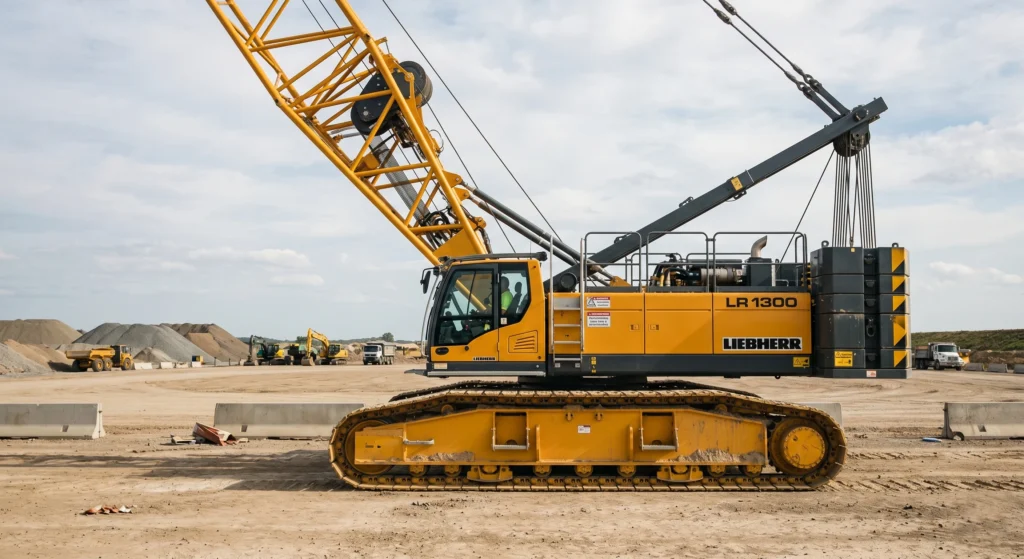
Crawler cranes are mounted on steel or rubber tracks that distribute weight evenly across the ground. Their exceptional stability allows them to perform heavy lifts without outriggers.
Best Uses
- Large-scale building projects
- Heavy industrial construction
- Soft or muddy ground conditions
Advantages
- Extremely stable
- Can travel with suspended loads
- High lifting capacities up to 3,500 tons
Limitations
- Slow travel speed
- Requires transport between sites
2. Rough Terrain Crane
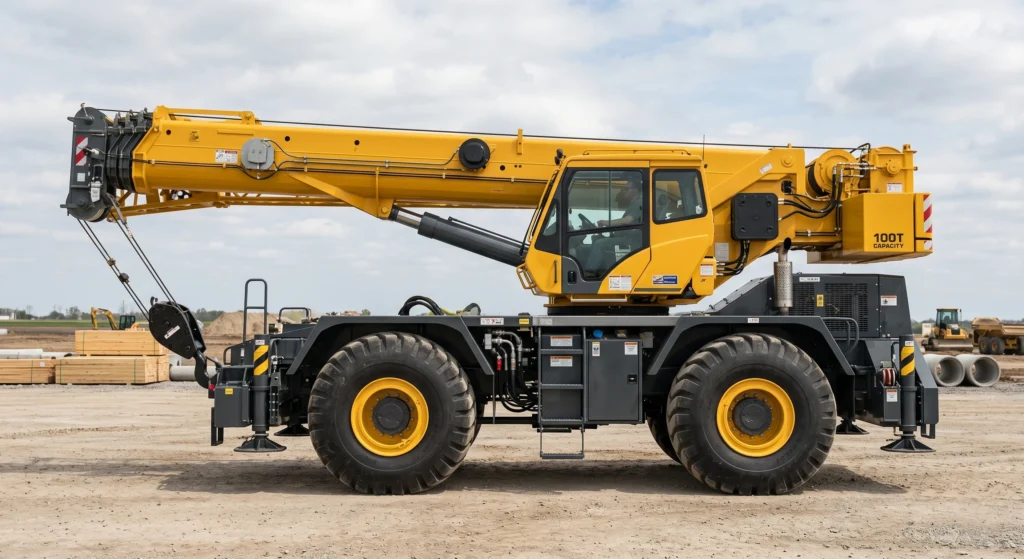
Rough terrain cranes are designed specifically for off-road construction environments. Equipped with large rubber tires, high ground clearance, and powerful steering systems, they perform well on uneven surfaces.
Best Uses
- Highway construction
- Infrastructure projects
- Rocky and unprepared terrain
Advantages
- Excellent off-road mobility
- High stability with outriggers
- Strong maneuverability
Limitations
- Not suitable for highway travel
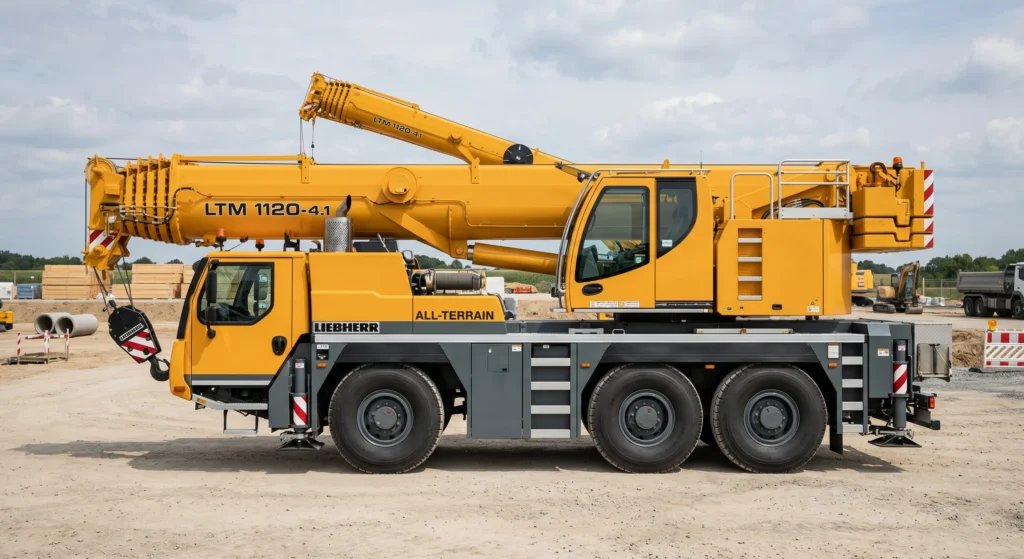
3. All-Terrain Crane
All-terrain cranes combine highway speed with off-road performance. Their sophisticated multi-axle steering systems make them one of the most versatile crane types available.
Best Uses
- Projects requiring frequent relocation
- Mixed terrain environments
- Large commercial construction sites
Advantages
- Highway legal
- Excellent off-road capabilities
- High lifting capacities
Limitations
- Expensive to purchase and maintain
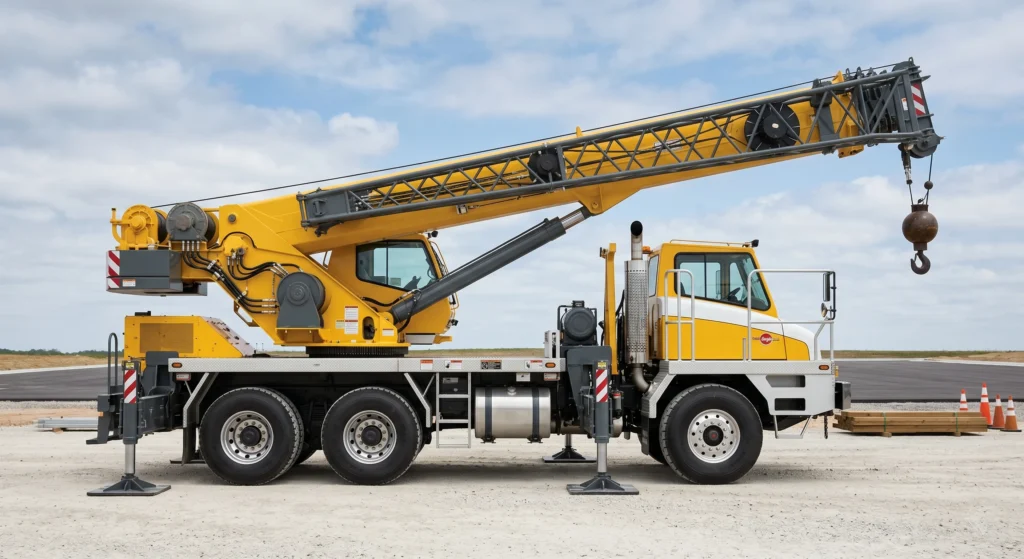
4. Truck-Mounted Crane (Boom Truck)
A truck-mounted crane consists of a crane boom permanently attached to a commercial truck chassis. This design enables rapid transportation and deployment.
Best Uses
- Utility work
- Urban construction
- Loading and unloading materials
Advantages
- Fast setup
- Road legal
- Excellent mobility
Limitations
- Requires stable ground conditions
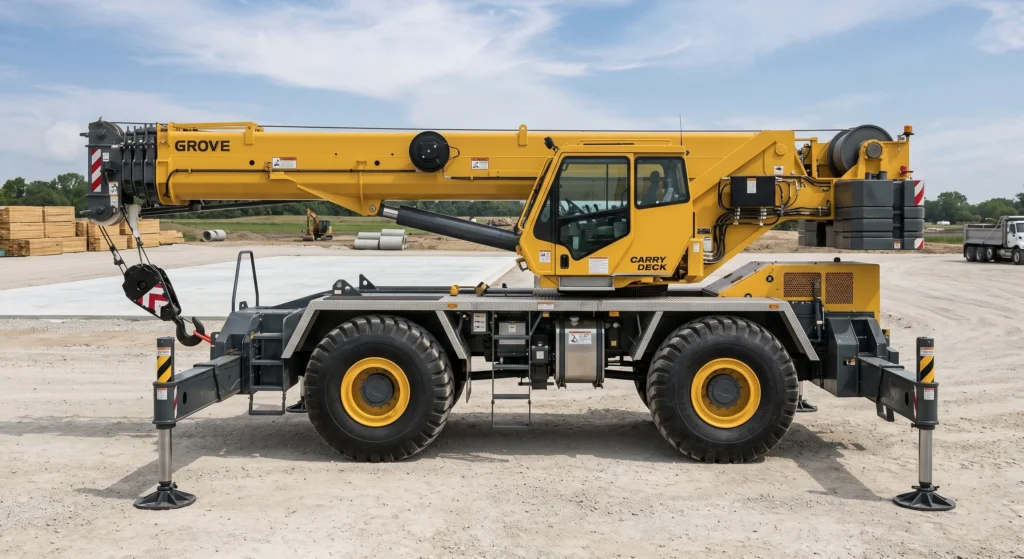
5. Carry Deck Crane
Carry deck cranes are compact lifting machines featuring a flat deck for transporting materials around a facility.
Best Uses
- Indoor operations
- Plant maintenance
- Industrial facilities
Advantages
- Compact design
- Full 360-degree rotation
- Excellent maneuverability
Limitations
- Lower lifting capacities, typically 8–18 tons
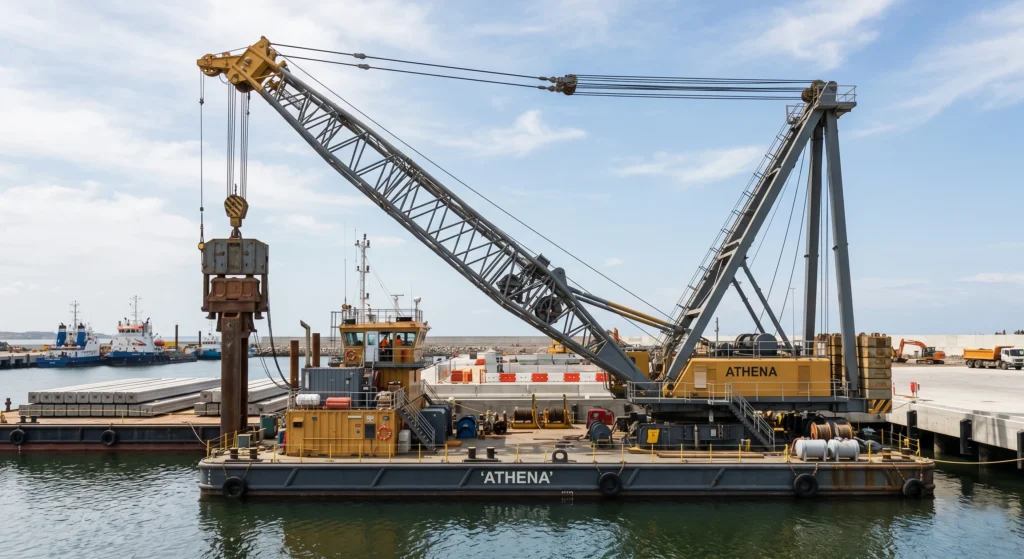
6. Floating Crane
Floating cranes are mounted on barges or ships and are specifically designed for marine construction and heavy offshore lifting.
Best Uses
- Port development
- Bridge construction
- Offshore energy projects
- Salvage operations
Advantages
- Massive lifting capacities exceeding 10,000 tons
- Access to locations unreachable by land cranes
Limitations
- High operating costs
- Weather-dependent
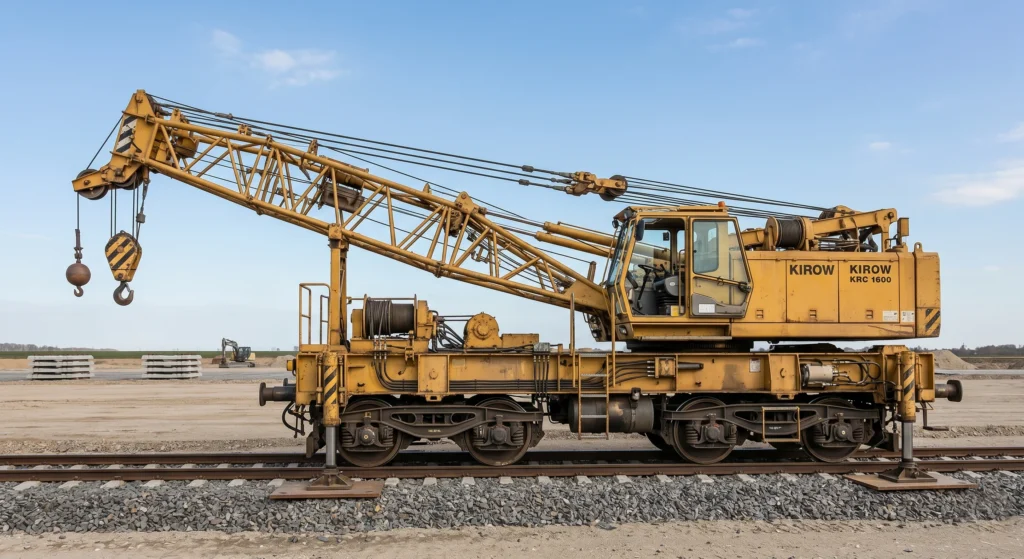
7. Railroad Crane
Railroad cranes travel on rail tracks and support railway construction, maintenance, and emergency recovery operations.
Best Uses
- Track maintenance
- Rail infrastructure construction
- Derailment recovery
Advantages
- Optimized for railway operations
- Stable lifting platform
Limitations
- Restricted to rail systems
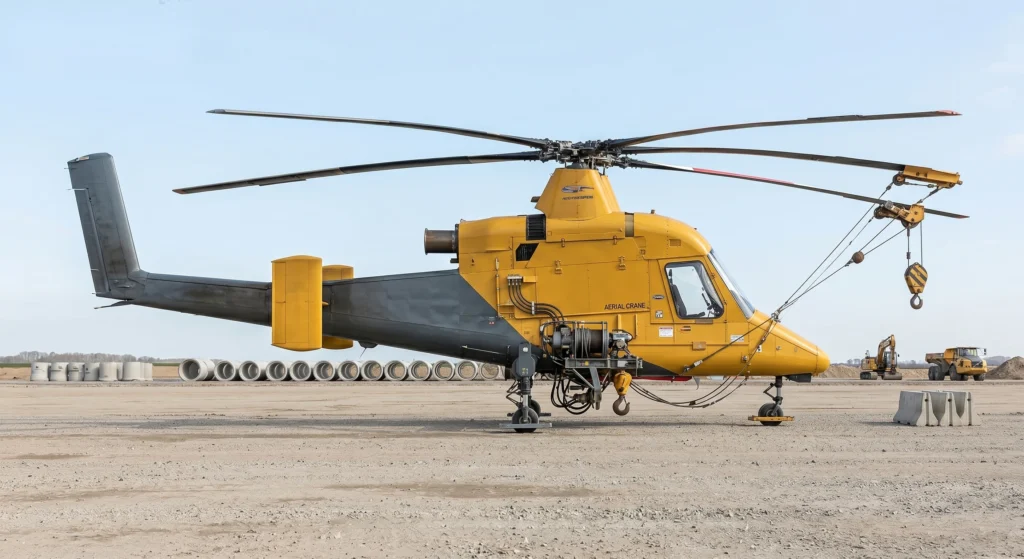
8. Aerial Crane (Helicopter Crane)
Aerial cranes use specially modified helicopters to transport loads where ground access is impossible.
Best Uses
- Remote construction sites
- Power line installation
- Rooftop equipment placement
- Disaster response
Advantages
- Access to difficult locations
- No ground setup required
Limitations
- Extremely expensive
- Weather-sensitive
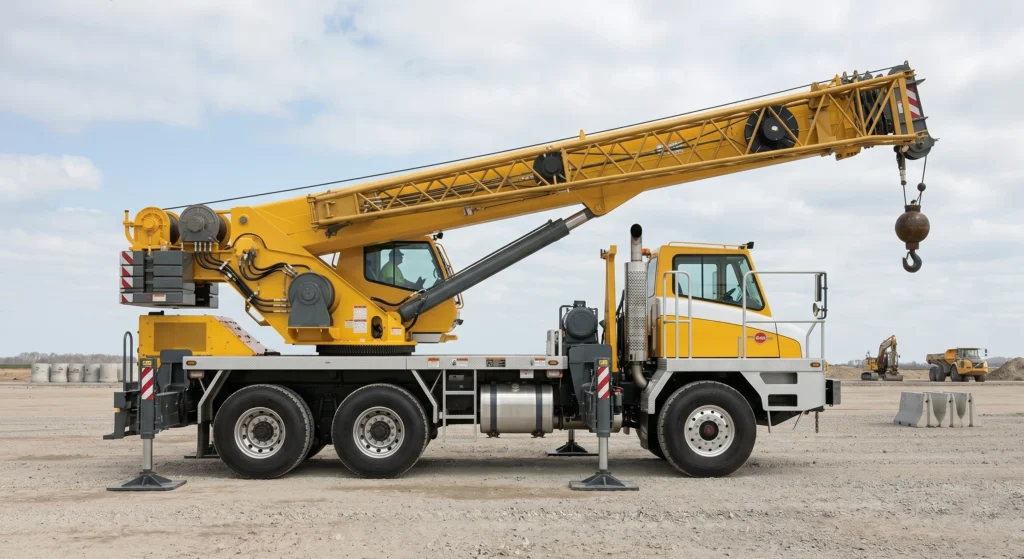
9. Telescopic Crane
Telescopic cranes feature hydraulic booms made of nested sections that extend and retract as needed.
Best Uses
- Construction sites requiring flexible reach
- Emergency response operations
- Utility projects
Advantages
- Quick deployment
- Adjustable reach
- Compact transport size
Limitations
- Reduced lifting capacity at full extension
10. Loader Crane (Folding Boom Crane)
Loader cranes use articulated arms that fold compactly when not in use.
Best Uses
- Self-loading trucks
- Material delivery
- Equipment transportation
Advantages
- Compact storage
- Efficient loading capabilities
Limitations
- Lower lifting capacity than dedicated cranes
11. Pick-and-Carry Crane
These cranes are specifically engineered to transport loads while moving around a worksite.
Best Uses
- Manufacturing facilities
- Repetitive material handling
- Industrial yards
Advantages
- Eliminates repeated lifting operations
- Efficient short-distance transport
Limitations
- Limited reach and lifting height
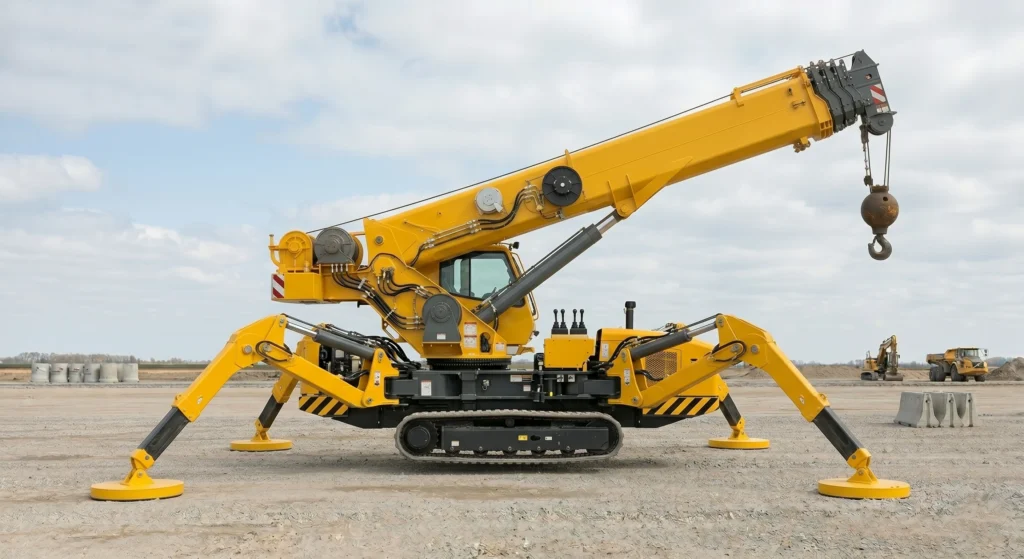
12. Spider Crane (Mini Crawler Crane)
Spider cranes are compact tracked cranes featuring folding outriggers that allow operation in extremely confined spaces.
Best Uses
- Indoor construction
- Glass installation
- Restoration projects
- Rooftop HVAC placement
Advantages
- Fits through standard doorways
- Exceptional maneuverability
Limitations
- Relatively low lifting capacity
Static and Fixed Cranes
13. Tower Crane
Tower cranes are the iconic machines seen on skyscraper projects worldwide.
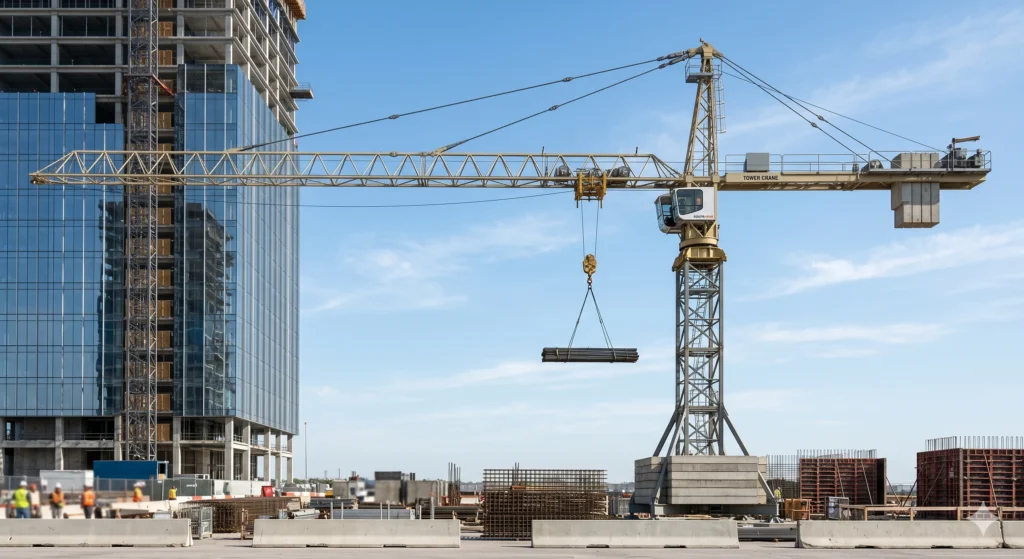
Main Components
- Mast
- Slewing unit
- Jib
- Counter-jib
- Operator cabin
Best Uses
- High-rise construction
- Large commercial developments
Advantages
- Exceptional height
- Long reach
- High lifting performance
14. Hammerhead Tower Crane
The traditional tower crane design features a horizontal jib and trolley system.
Best Uses
- Large open construction sites
Advantages
- Long horizontal reach
- Strong lifting capability
Limitations
- Requires significant swing clearance
15. Luffing Jib Tower Crane
Luffing cranes use adjustable jibs that move vertically to minimize swing radius.
Best Uses
- Congested urban projects
- Multi-crane sites
Advantages
- Space efficient
- Excellent obstacle avoidance
Limitations
- Higher cost
- Slower operation
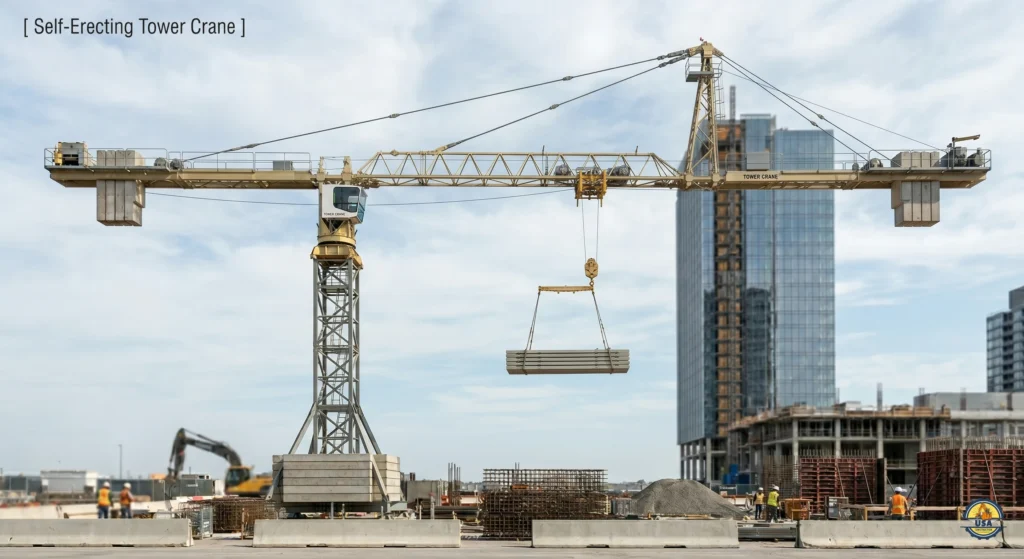
16. Self-Erecting Tower Crane
These cranes arrive folded and can erect themselves using hydraulic systems.
Best Uses
- Low-rise construction
- Fast-track projects
Advantages
- Quick setup
- Reduced installation costs
Limitations
- Lower lifting capacities
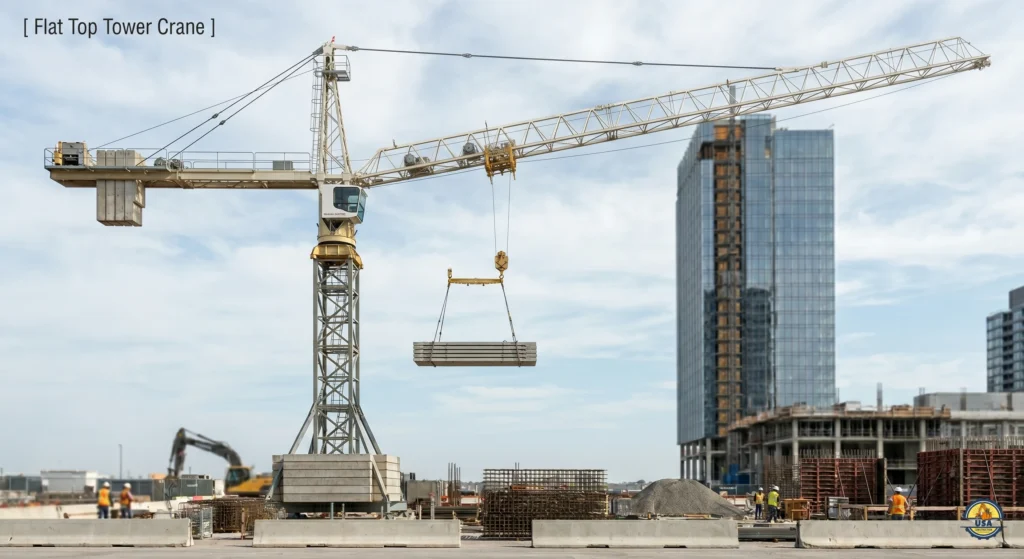
17. Flat Top Tower Crane
Also known as topless cranes, these machines eliminate the upper tower structure found on traditional tower cranes.
Best Uses
- Projects with height restrictions
- Multi-crane environments
Advantages
- Easier assembly
- Reduced clearance requirements
Limitations
- May be less resistant to high winds
18. Overhead Crane (Bridge Crane)
Overhead cranes move loads throughout factories and warehouses using bridge and runway systems.
Best Uses
- Manufacturing facilities
- Warehouses
- Production lines
Advantages
- Covers large rectangular areas
- Highly efficient for repetitive tasks
Limitations
- Fixed installation
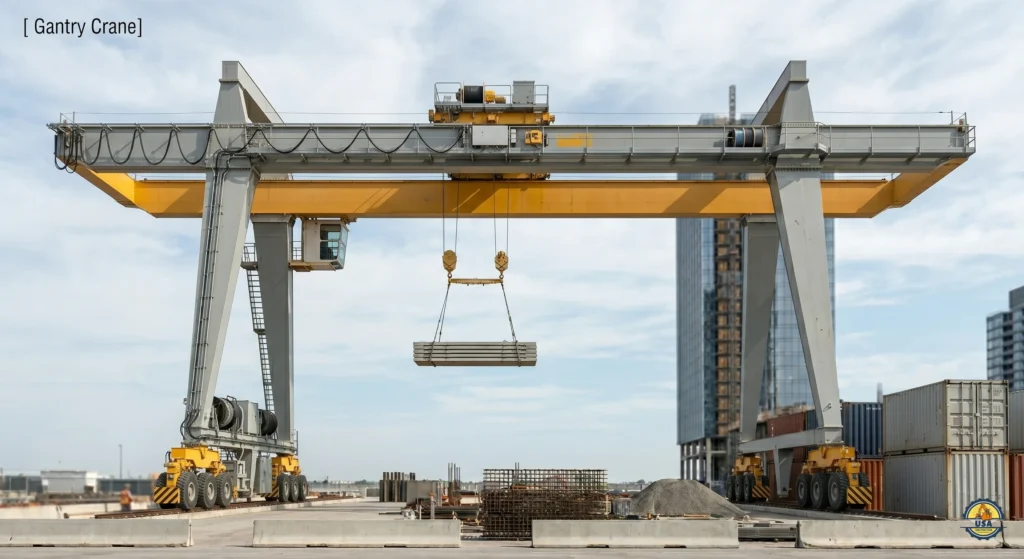
19. Gantry Crane
Gantry cranes resemble overhead cranes but use freestanding legs rather than building-mounted supports.
Best Uses
- Shipping yards
- Outdoor storage facilities
- Heavy fabrication shops
Advantages
- No building support required
- Can handle very heavy loads
Limitations
- Requires rail space
20. Jib Crane
Jib cranes use a rotating boom attached to a wall, column, or floor-mounted pedestal.
Best Uses
- Workstations
- Loading docks
- Assembly areas
Advantages
- Cost-effective
- Simple operation
Limitations
- Limited coverage area
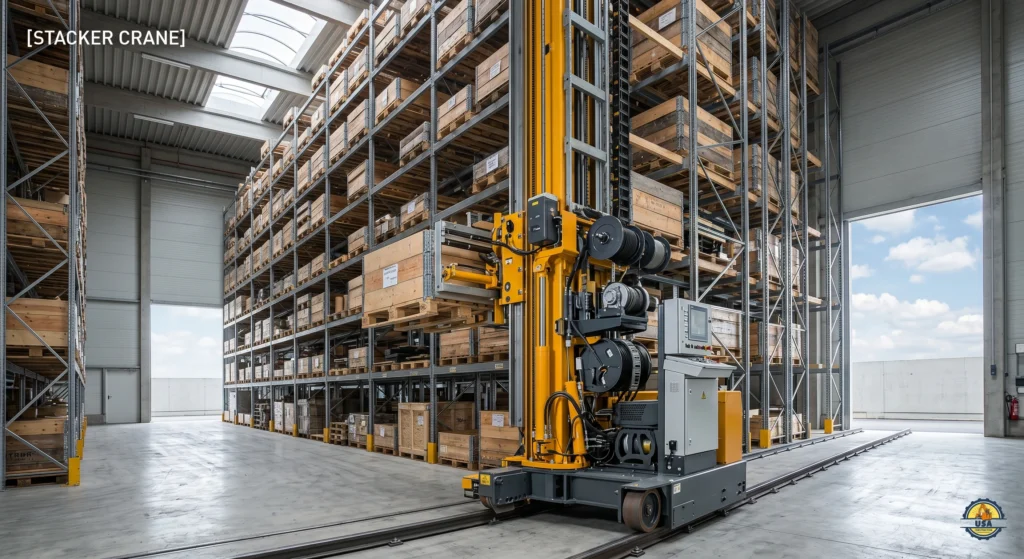
21. Stacker Crane (ASRS Crane)
Stacker cranes are automated systems used within modern high-density warehouses.
Best Uses
- Distribution centers
- Automated storage facilities
Advantages
- Maximizes storage density
- Reduces labor requirements
Limitations
- High initial investment
22. Mobile Tower Crane
Mobile tower cranes combine the height benefits of tower cranes with the mobility of wheeled carriers.
Best Uses
- Urban construction
- Phased developments
Advantages
- No permanent foundation
- Rapid relocation
Limitations
- Lower capacities than traditional tower cranes
23. Level Luffing Crane
Level luffing cranes maintain a consistent hook height while the jib changes angle.
Best Uses
- Ports
- Cargo terminals
- Tight-clearance operations
Advantages
- Improved load control
- Reduced swinging
Limitations
- Specialized applications
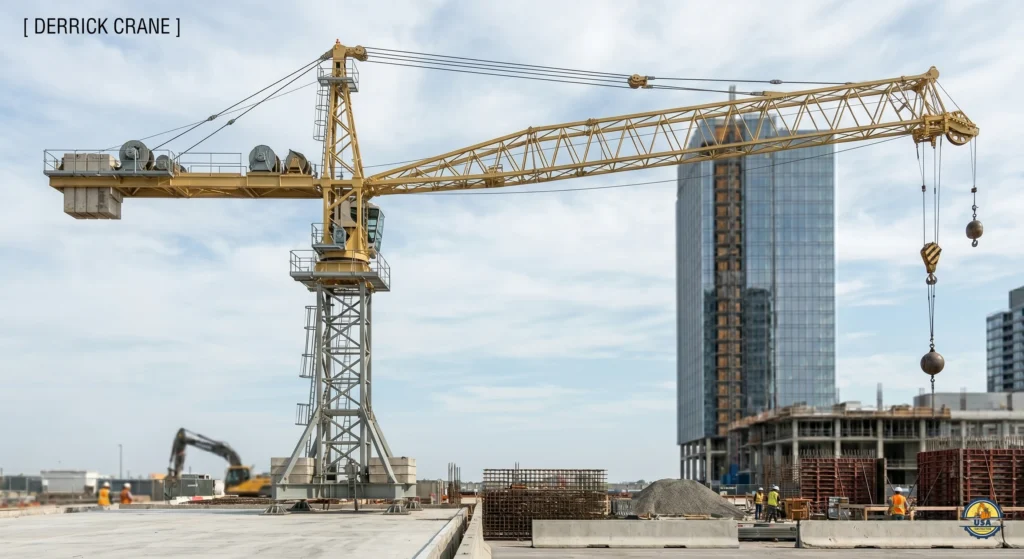
24. Derrick Crane
Derrick cranes feature a fixed mast and boom controlled by ropes and cables.
Best Uses
- Rooftop work
- Renovation projects
- High-rise extensions
Advantages
- Effective in confined spaces
- Useful where tower cranes cannot operate
Limitations
- Limited versatility
How to Choose the Right Crane?
Selecting the right crane depends on several factors:
1. Mobility Requirements
Determine whether the crane must travel between locations or remain fixed.
2. Ground Conditions
Evaluate whether the terrain is paved, rocky, muddy, or unstable.
3. Load Capacity
Calculate the maximum weight that must be lifted.
4. Height and Reach
Consider both vertical lifting requirements and horizontal working radius.
5. Site Constraints
Assess obstacles such as nearby buildings, overhead power lines, and restricted access areas.
6. Project Duration
Long-term projects often justify fixed cranes, while short-term projects benefit from mobile equipment.
Frequently Asked Questions
What is the most common crane used in construction?
Mobile cranes are the most widely used because they are flexible, quick to deploy, and capable of serving multiple jobsite functions.
Which crane can lift the heaviest loads?
Floating cranes can lift more than 10,000 tons in specialized marine applications. Large crawler cranes also offer exceptional lifting capacities of up to 3,500 tons.
Which crane is best for constructing skyscrapers?
Tower cranes, especially hammerhead and luffing jib models, are the preferred choice for high-rise construction.
Can cranes move while carrying a load?
Yes. Crawler cranes and pick-and-carry cranes are specifically designed to travel while supporting suspended loads.
What is the smallest crane type?
Spider cranes are among the smallest construction cranes available and can often pass through standard doorways while still providing lifting capabilities in confined spaces.

Ahmed Ijaz runs this construction rental directory with over 5 years of experience in SEO, content, and web optimization. Every page is built using real research, hands-on expertise, and carefully reviewed information to meet strong EEAT standards.