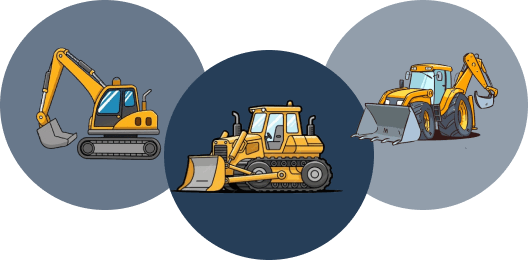
A common question among contractors, equipment buyers, and transportation companies is: How much does a bulldozer weigh? The answer depends on the machine’s size, configuration, manufacturer, and intended application. Modern bulldozers range from compact machines weighing just a few thousand pounds to massive mining dozers exceeding 250,000 pounds.
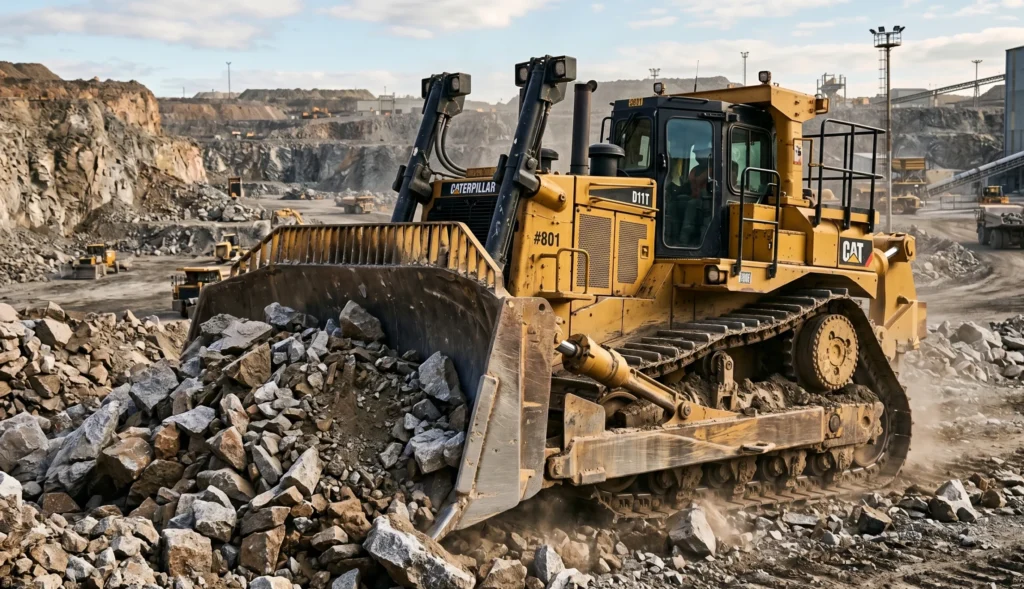
Understanding operating weight is critical because it directly affects machine performance, transportation requirements, fuel consumption, and legal compliance. Whether you’re purchasing equipment, renting a dozer, or planning transportation logistics, knowing the exact weight of a bulldozer helps avoid costly mistakes.
In this guide, we’ll break down bulldozer weight by class, compare major manufacturers, explain the difference between operating weight and shipping weight, and cover important transportation regulations.
Why Bulldozer Weight Matters?
The weight of a bulldozer influences nearly every aspect of its operation.
Operating Weight Explained
Operating weight refers to the total weight of the machine including:
- Full fuel tank
- Hydraulic fluids
- Engine oil
- Coolant
- Standard attachments
- Operator
Manufacturers use operating weight as the primary specification because it represents the machine’s actual working condition.
Impact on Performance
A heavier bulldozer typically provides:
- Better traction
- Increased stability
- Greater pushing force
- Improved grading capability
Weight helps transfer engine power to the ground, allowing the machine to move large quantities of soil, rock, and debris efficiently.
Transport & Legal Compliance
Bulldozer weight determines:
- Trailer requirements
- Permit requirements
- Road restrictions
- CDL requirements
- DOT compliance
Failing to account for machine weight can result in fines, permit violations, and transportation delays.
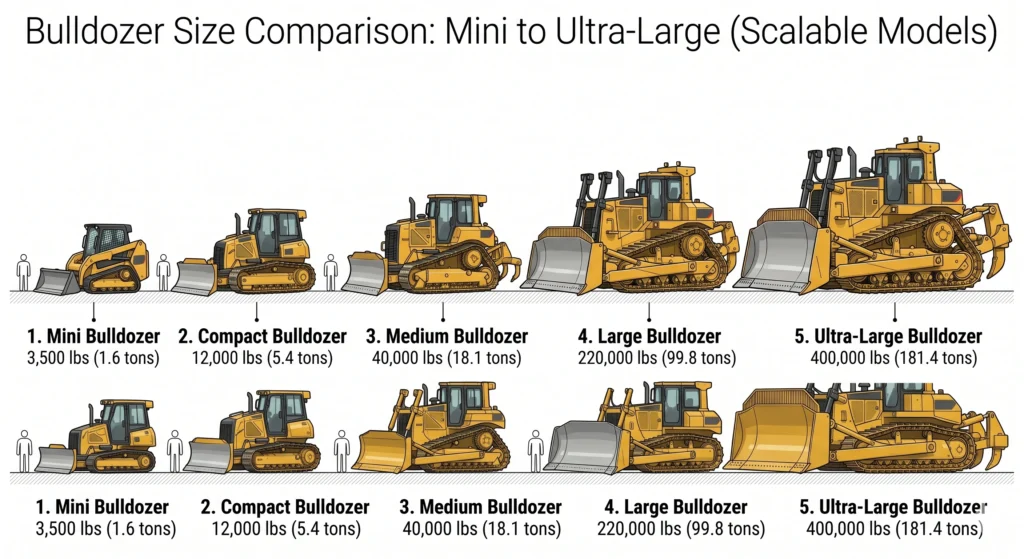
Average Bulldozer Weight by Class
The easiest way to estimate a bulldozer’s weight is by machine class.
| Bulldozer Class | Operating Weight (lbs) | Operating Weight (kg) | Example Models |
|---|---|---|---|
| Mini Dozer | 3,000 – 8,000 | 1,360 – 3,630 | CAT 239D, Deere 333G |
| Small Dozer | 15,000 – 25,000 | 6,800 – 11,340 | CAT D3, Komatsu D31 |
| Medium Dozer | 35,000 – 55,000 | 15,870 – 24,950 | CAT D6, Komatsu D65 |
| Large Dozer | 70,000 – 120,000 | 31,750 – 54,430 | CAT D8, Komatsu D155 |
| Ultra-Large Dozer | 150,000 – 260,000+ | 68,000 – 118,000+ | CAT D11, Komatsu D575A |
Typical Applications by Weight Class
Mini dozers are used for landscaping, residential construction, and small grading jobs.
Small dozers excel on light construction sites and utility projects.
Medium dozers handle commercial construction, road building, and land clearing.
Large dozers are commonly found on major infrastructure projects and quarries.
Ultra-large dozers are designed primarily for mining and heavy earthmoving operations.
Detailed Weight Analysis by Top Brand & Model
Different manufacturers offer bulldozers in several weight classes.
Caterpillar (CAT) Dozer Weights
Caterpillar remains one of the most recognized bulldozer manufacturers in the world.
| Model | Weight Class | Approximate Operating Weight |
|---|---|---|
| CAT D3 | Small | ~18,500 lbs |
| CAT D6 | Medium | ~45,000 lbs |
| CAT D8 | Large | ~84,000 lbs |
| CAT D11 | Ultra-Large | ~230,000 lbs |
The CAT D6 is often considered the industry benchmark for medium-sized dozers due to its versatility and transportability.
Komatsu Dozer Weights
Komatsu manufactures a broad lineup of crawler dozers used worldwide.
| Model | Weight Class | Approximate Operating Weight |
|---|---|---|
| Komatsu D31 | Small | ~19,800 lbs |
| Komatsu D65 | Medium | ~48,500 lbs |
| Komatsu D155 | Large | ~77,000 lbs |
| Komatsu D575A | Ultra-Large | ~264,500 lbs |
The Komatsu D575A is among the largest production bulldozers ever built.
John Deere, Case & Liebherr Dozer Weights
Other major manufacturers also offer competitive bulldozer models.
| Manufacturer | Example Model | Approximate Weight |
|---|---|---|
| John Deere | 750L | 37,000–40,000 lbs |
| John Deere | 850L | 47,000–50,000 lbs |
| Case | 1650M | 42,000 lbs |
| Liebherr | PR 736 | 41,000–46,000 lbs |
| Liebherr | PR 776 | 160,000+ lbs |
These models serve applications ranging from site preparation to mining operations.
Operating Weight vs. Shipping Weight
Many people mistakenly assume operating weight and shipping weight are the same.
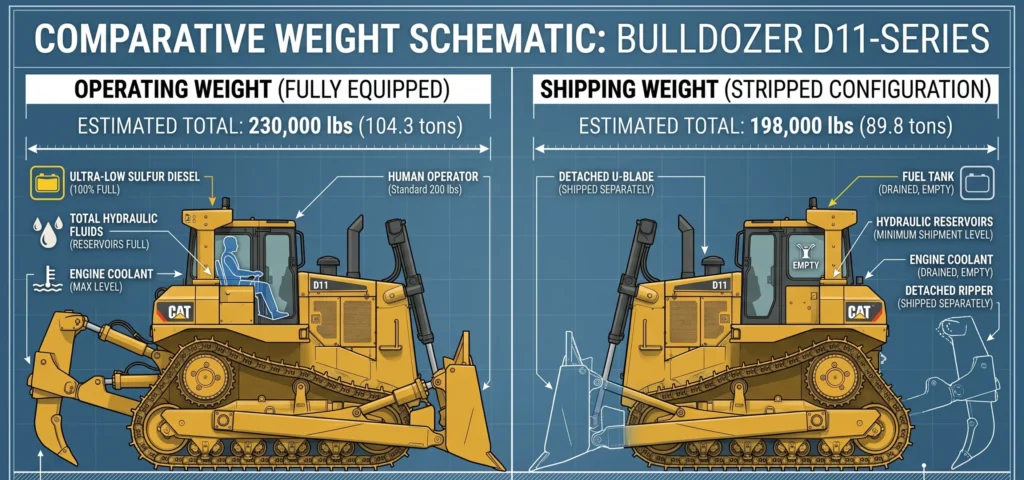
Operating Weight
Operating weight includes:
- Fuel
- Hydraulic fluids
- Coolant
- Lubricants
- Operator
- Standard blade
- Standard ripper
This is the weight used by rental companies and contractors when evaluating machine performance.
Shipping Weight
Shipping weight often excludes:
- Fuel
- Certain fluids
- Optional attachments
- Blade assemblies (in some cases)
As a result, shipping weight is typically 5–15% lower than operating weight.
Why Rental Yards Use Operating Weight?
Rental companies generally advertise operating weight because it accurately reflects how the machine performs in real-world conditions.
How Attachments Change Bulldozer Weight
Attachments can dramatically alter total machine weight.
Blade Types
Common blade configurations include:
Straight Blade (S-Blade)
- Designed for fine grading
- Typically lighter
- Adds approximately 1,000–3,000 lbs
Semi-U Blade (SU-Blade)
- Balance of carrying capacity and maneuverability
- Adds approximately 2,000–5,000 lbs
Universal Blade (U-Blade)
- Maximum material capacity
- Can add 3,000–6,000 lbs
Rippers
A rear-mounted ripper helps break hard ground and rock.
Weight increase:
- Single-shank ripper: 3,000–6,000 lbs
- Multi-shank ripper: 5,000–10,000 lbs
Winches & Forestry Packages
Additional equipment may include:
- Logging winches
- Forestry guarding
- Heavy-duty undercarriages
- Counterweights
These upgrades can significantly increase overall machine weight.
Legal & Transport Implications of Bulldozer Weight
Transporting a bulldozer requires careful planning.
CDL Requirements
A Commercial Driver’s License (CDL) is generally required when the gross combination weight rating (GCWR) exceeds 26,001 pounds.
Because many bulldozers exceed this threshold, specialized transport operators are often required.
Lowboy Trailer Requirements
A lowboy trailer is commonly used because bulldozers are tall and heavy.
Typical trailer choices include:
- Tandem axle lowboy
- Tri-axle lowboy
- Multi-axle heavy haul trailer
The heavier the dozer, the more axles required to distribute weight legally.
Overweight Permits
Federal interstate limits generally cap gross vehicle weight at 80,000 pounds.
Loads exceeding this threshold often require:
- Oversize permits
- Overweight permits
- Route planning
- Escort vehicles (for extreme loads)
GVWR vs. Actual Scale Weight
GVWR (Gross Vehicle Weight Rating) represents the manufacturer’s maximum allowable vehicle weight.
Actual scale weight is what enforcement agencies measure at weigh stations and truck scales.
Both values are important when planning transportation.
How to Find the Exact Weight of Your Bulldozer
The most accurate weight information comes directly from the machine.
Check the Serial Plate
Manufacturers typically provide:
- Base machine weight
- Configuration details
- Model information
The serial plate is usually located near the operator station or engine compartment.
Review Manufacturer Specifications
OEM specification sheets provide:
- Operating weight
- Shipping weight
- Blade configurations
- Ripper options
Always verify the exact configuration.
Use Equipment Databases
Services such as:
- Ritchie Specs
- SpecCheck
- Equipment manufacturer databases
can help identify machine weights using model and serial information.
Weigh the Machine
For maximum accuracy, transport the bulldozer to a certified truck scale.
Many truck stops with heavy-haul facilities can weigh both the machine and trailer.
Frequently Asked Questions
How much does the heaviest bulldozer weigh?
The largest bulldozer ever built was the ACCO Super Bulldozer, which weighed approximately 375,000 pounds (170 metric tons).
How much does a CAT D6 weigh?
A standard CAT D6 weighs approximately 45,000 pounds, depending on blade and ripper configuration.
Can a bulldozer be towed by a pickup truck?
Most bulldozers cannot be safely or legally towed by a pickup truck. Even many small dozers exceed the towing capacity of consumer-grade trucks and trailers.
How much does a mini bulldozer weigh in tons?
Mini bulldozers typically weigh between 1.5 and 4 tons (3,000–8,000 pounds).
Match Dozer Weight to Job & Transport
When evaluating equipment, remember that bulldozer weight affects far more than transportation. Weight directly influences stability, traction, productivity, fuel efficiency, and legal compliance.
Start by choosing the proper dozer class for the application. Then evaluate transportation requirements, trailer capacity, permit needs, and operating costs.
Most importantly, always verify the actual operating weight of the machine before transport. Attachments such as blades, rippers, forestry packages, and winches can add thousands of pounds and significantly affect hauling requirements.

Ahmed Ijaz runs this construction rental directory with over 5 years of experience in SEO, content, and web optimization. Every page is built using real research, hands-on expertise, and carefully reviewed information to meet strong EEAT standards.