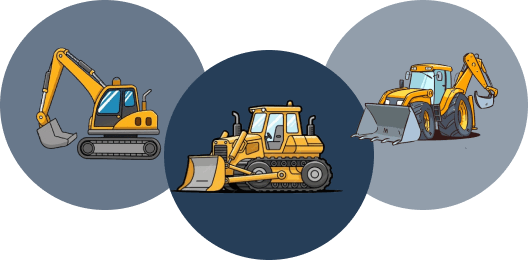
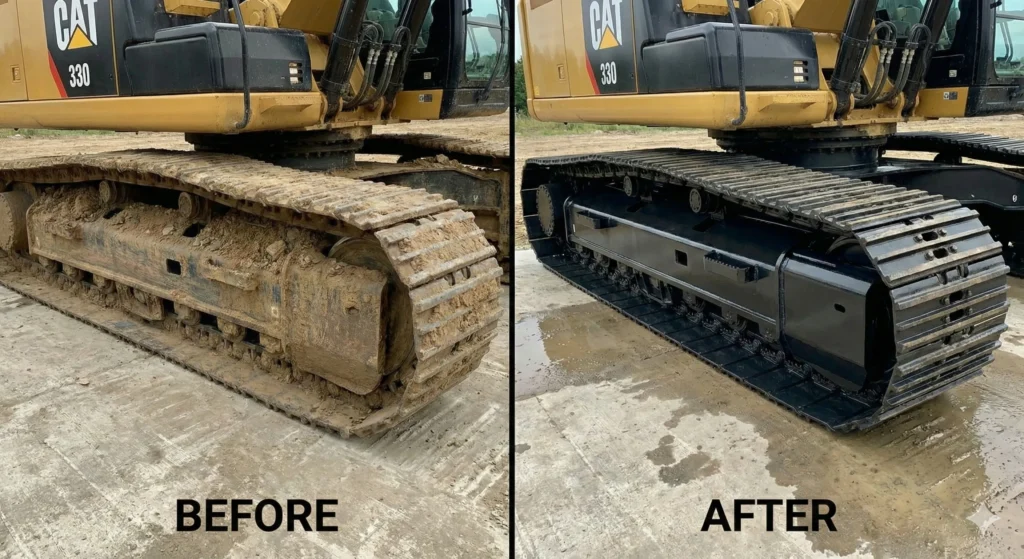
Transporting a heavy machine like a Caterpillar 330 excavator is a routine part of construction, mining, and earthmoving operations. However, before loading and hauling any equipment whether it’s an excavator or a skid steer, a critical step that is often overlooked or rushed is the thorough cleaning of the machine’s tracks and undercarriage.
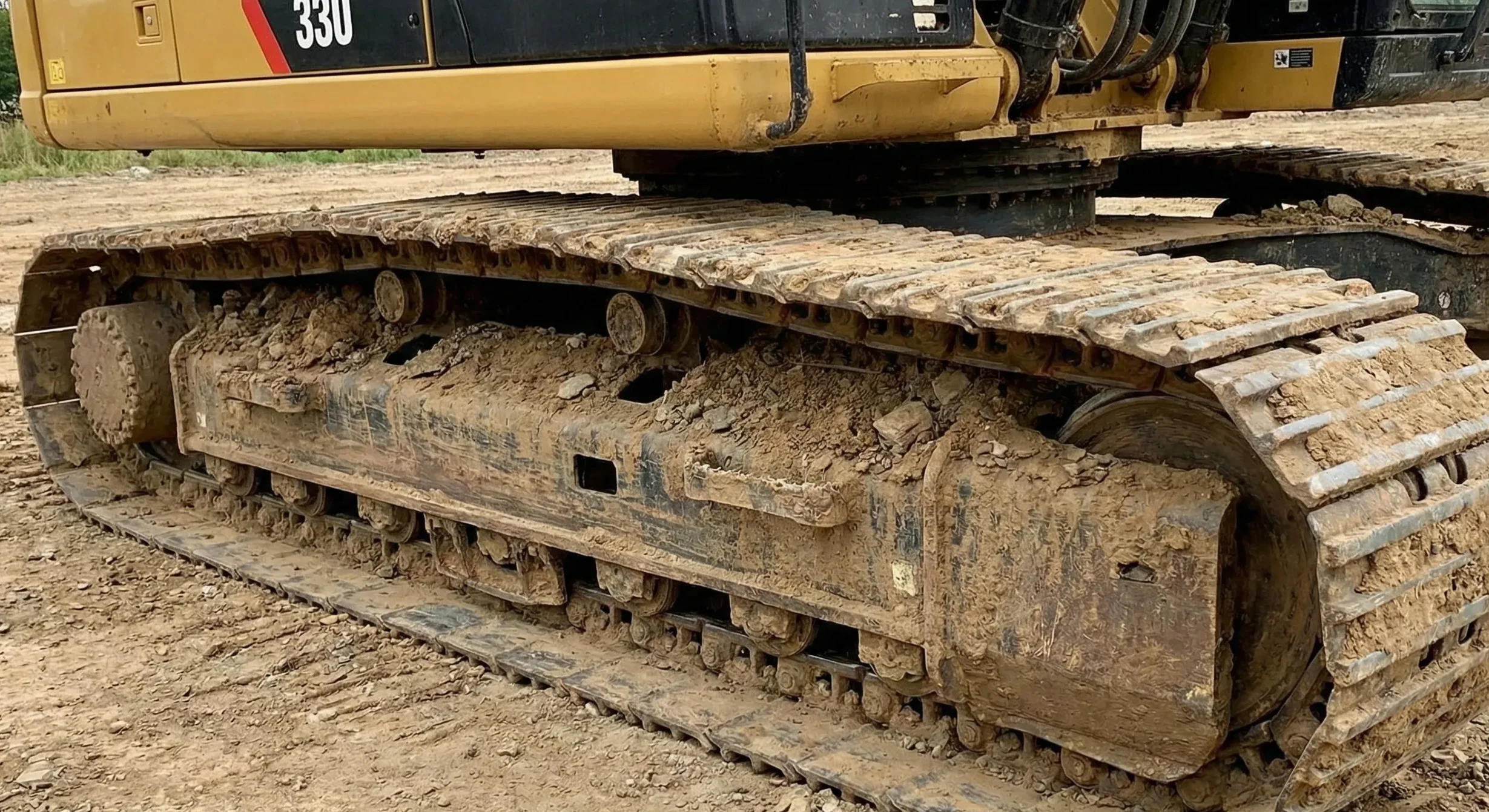
Failing to clean CAT 330 tracks before transport isn’t just a matter of cleanliness, it’s a significant safety, legal, and financial risk. This article will give you the compelling reasons why this practice is mandatory, supported by industry regulations and the hard-earned wisdom of equipment professionals.
Track Cleaning: Safety, Compliance, and Machine Health
1. Safety: Protecting People on the Road and Site
The most urgent reason to clean tracks is safety. Debris caked in the tracks mud, rocks, clay, ice, or solidified material poses a severe hazard.
- Road Hazards: As veteran operator Chris Case warns, “The last thing you want is a rock or chunk of mud to go into someone’s window.” At highway speeds, dislodged debris becomes a dangerous projectile. This isn’t hypothetical; it leads to accidents, injuries, and potential fatalities.
- Secure Loading/Unloading: Clean tracks and machine steps provide essential grip for personnel during the loading and unloading process, preventing slips and falls around heavy equipment.
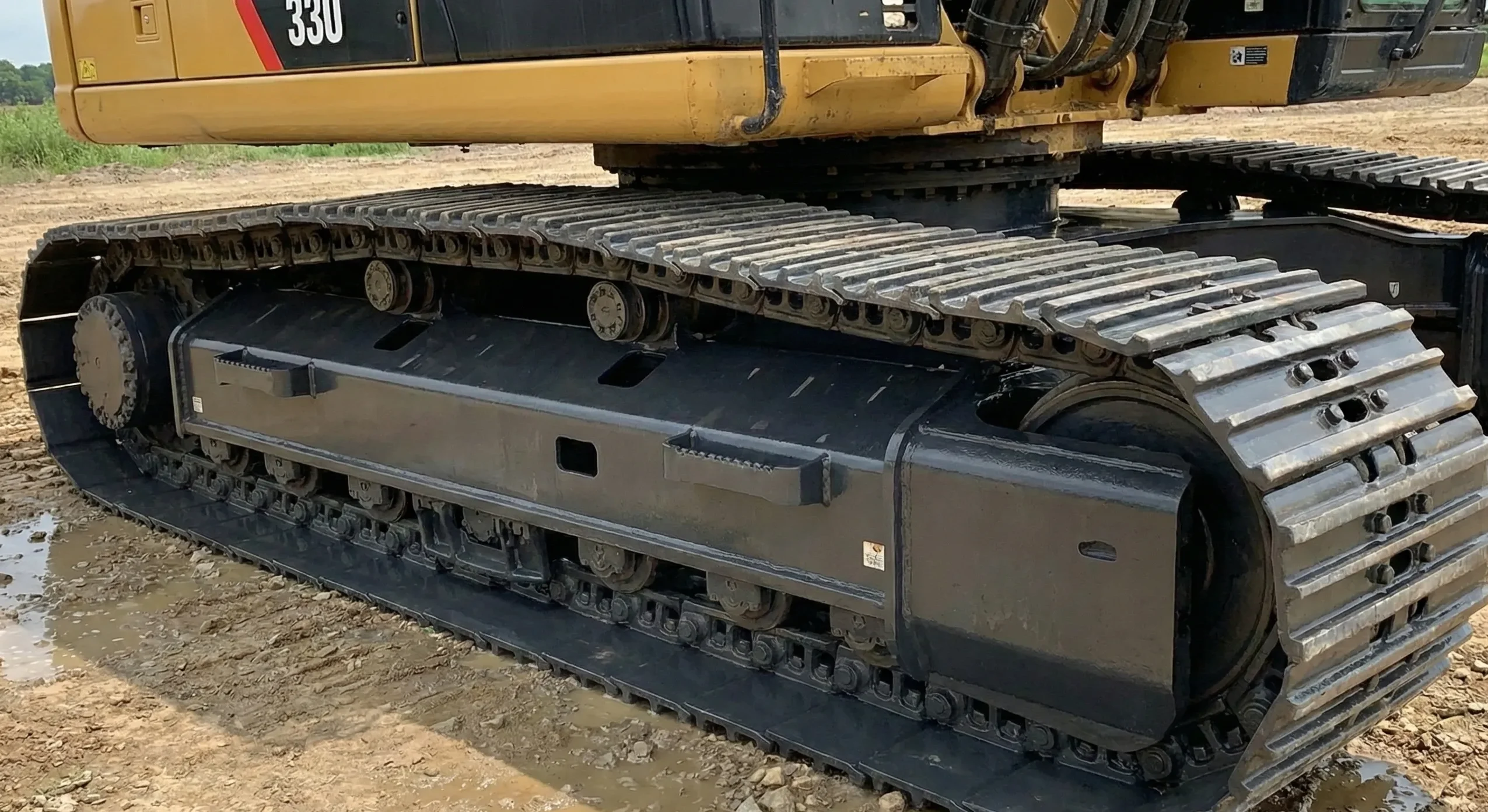
- Pre-Trip Inspection: A clean undercarriage allows operators and mechanics to easily spot critical issues like cracked track links, leaking seals, loose bolts, or damaged rollers. Identifying these problems before transit prevents catastrophic failures on the road.
2. Regulatory Compliance and Biosecurity: Avoiding Fines and Protecting Ecosystems
Ignoring track cleaning can hit your wallet hard and harm the environment.
- Legal Requirements and Fines: Departments of Transportation (DOT) across North America and similar agencies worldwide have strict laws against unsecured loads. Mud and rocks falling from tracks qualify as an unsecured load. The comments section is filled with stark warnings:
- Neil Garson: “$300 fine for an unsecured load… If you are nasty to the enforcement officer they will fine you for multiple infringements.”
- Aaron Stanley-Hunt: “$600 fine here in NZ if you get caught with more than a handful in the frame.”
- Blake Correia: “Unless you like spending time with DOT I’d suggest it.”
- Bob Bentler clarifies: “Anything that comes off the tracks can draw you a criminal charge. Spilled load on the road, unsecured load etc.”
- Consequences extend beyond fines to include inspection delays, vehicle impoundment, and even criminal charges in the event of an accident.
- Biosecurity: As highlighted by Rob Stewart, in regions like Australia and New Zealand, and increasingly elsewhere, biosecurity laws require decontamination. Soil can carry invasive weeds, pests, and plant diseases. Cleaning tracks prevents transporting these harmful organisms from one job site or ecosystem to another, protecting agriculture and native environments.
3. Preventing Machine Damage: Preserving Your Investment
A Caterpillar 330 is a massive investment. Proper cleaning is a key part of preventive maintenance that protects that asset.
- Reduced Undercarriage Wear: Compacted debris increases friction and acts as an abrasive on rollers, idlers, sprockets, and the track chain itself, leading to premature and expensive wear.
- Preventing Seizure and Breakage: Mud can dry into concrete-like hardness or freeze solid in cold weather. This can jam rollers, cause components to seize, or even lead to breakage under stress.
- Maintaining Correct Track Tension: Material buildup can interfere with track tension, leading to improper tracking, added stress, and the risk of a track derailment a costly and time-consuming repair.
Industry Consensus: “Yes, Every Time.”
90% of equipment operators support cleaning tracks before transport, according to research based on a public Facebook discussion. Most participants stated that they clean tracks every time or on a daily basis, mainly due to safety concerns, legal requirements, and the risk of fines or accidents. Only about 3% reported that they do not clean tracks, while roughly 7% said the practice depends on conditions such as haul distance or mud buildup. Overall, the findings show that cleaning tracks before transport is widely considered a standard and responsible industry practice.
When asked, “When transporting a tracked machine from job to job do you clean the tracks every time?” the response from hundreds of industry professionals was overwhelmingly unanimous:
“Yes. Every time.”
- Barbara Walch: “🤦♀️ yes clean the tracks, yes sweep lowboy before and after transport. Always.”
- Mary Ann Olson: “Yes, we are required to clean our tracks before our machine is loaded. Every time.”
- Jeremy Hayes: “Absolutely… you should clean the tracks every time you finish a job.”
- James Hemi Martin: “Should clean ur tracks every day after work. A decent operator will do that.”
Many, like Jim Sutherland and Michael McGill, emphasize cleaning tracks daily, regardless of transport, to prevent freeze-ups and for general maintenance: “I learned as a young trainee operator to clean track especially in hard frosty weather…”
How to Properly Clean CAT 330 Tracks Before Transport
- Plan Ahead: Allow sufficient time in the move schedule for cleaning.
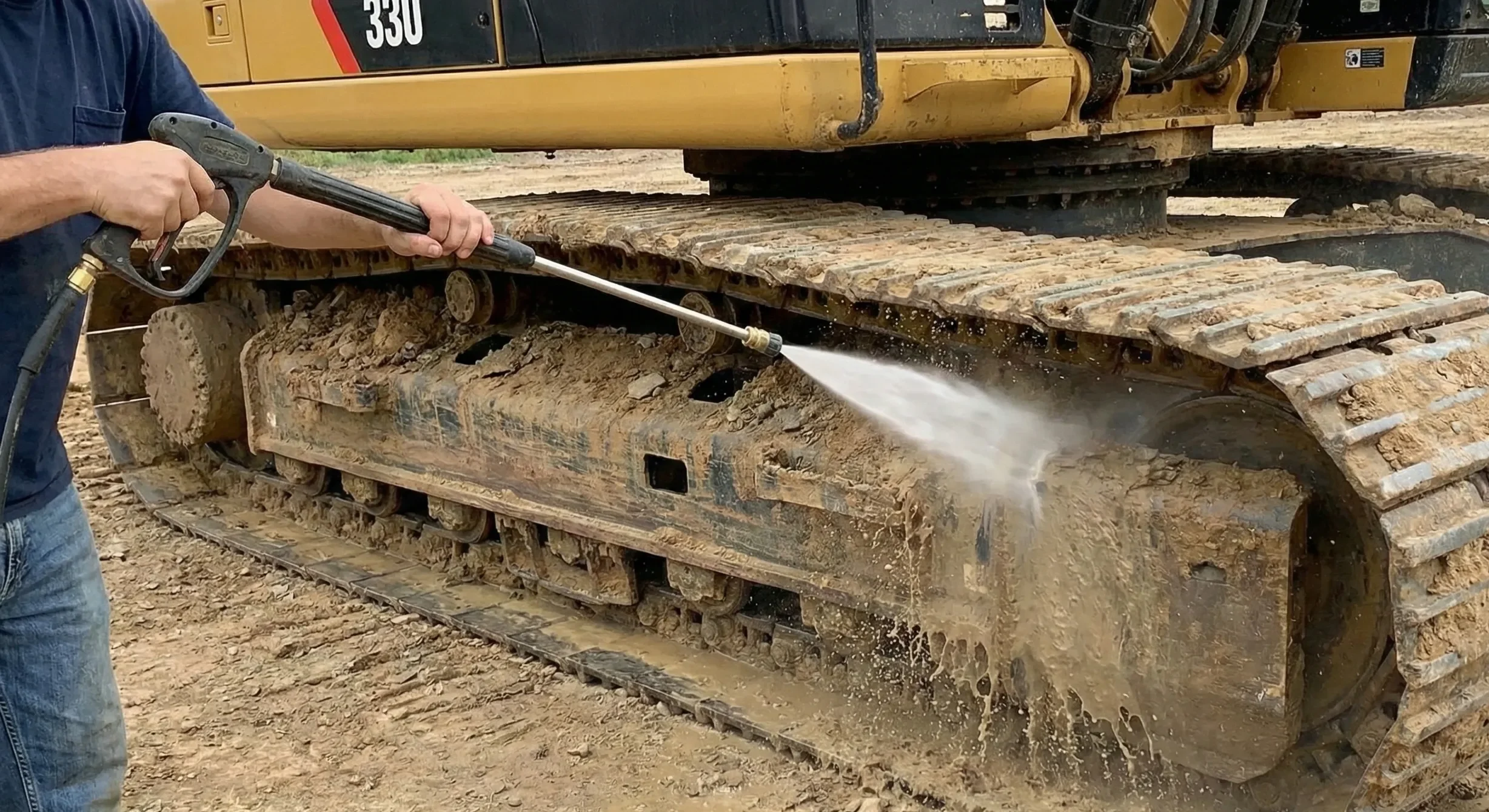
- Use the Right Tools: A sturdy spade, pry bar, and a high-pressure washer are essential. For hardened clay, a digging bar may be necessary.
- Methodical Cleaning:
- Remove Large Debris: Use a spade to clear mud, rocks, and vegetation from the tracks, sprockets, and rollers.
- Pressure Wash: Thoroughly wash the entire undercarriage, including the inside of the track frames. Focus on rollers, idlers, and the sprocket area.
- Inspect: While cleaning, visually inspect all components for damage.
- Clean the Trailer: As Andrew Ramkoomar and others note, “sweep right before you do your tie downs.” A clean trailer deck is part of a secure load.
- Dry Time: Allow time for excess water to drain to avoid icing in cold weather or creating new mud during loading.
Addressing Common Excuses
- “It’s just a short haul.” As Alex Rose notes, “around the block no, 5 miles yes.” Any travel on public roads carries responsibility.
- “It’s just dirt.” Dirt hardens, weighs down the machine, and is still considered an unsecured load by DOT.
- “It will fall off on the way to the highway.” This is a gamble with safety and the law. As Spencer Wright states, “You’re responsible if it falls off.”
Conclusion: A Non-Negotiable Best Practice
Cleaning your CAT 330 excavator tracks before transport is not a matter of choice; it is a fundamental aspect of professional equipment operation and transportation. It embodies a safety-first mindset, ensures regulatory compliance to avoid devastating fines, and is a core preventive maintenance action that protects your valuable asset.
As Brenden Berg wisely was told, clean them “as if you’re driving in the car behind it.” That perspective encapsulates the duty of care every operator and transport manager holds. Make track cleaning an unwavering part of your shutdown and transport routine your safety record, your wallet, and your machine will thank you.

Usman Zahid runs this construction rental directory with over 5 years of experience in SEO, content, and web optimization. Every page is built using real research, hands-on expertise, and carefully reviewed information to meet strong EEAT standards.